
Optional Car Insurance Coverages — North Dakota
Free to compare
The Optional Coverage Question When Your State Already Mandates More
You insure two or three vehicles in North Dakota and you are comparing policies. Every carrier quote includes personal injury protection and uninsured-motorist coverage because the state requires them. The optional coverage decision comes down to collision and comprehensive—coverages that protect your vehicles, not your liability. Most households cannot tell whether the additional premium justifies the protection when the mandatory baseline already costs more than minimum liability in most other states.
North Dakota's state minimum requirements include $25,000 bodily injury per person, $50,000 per accident, $25,000 property damage, mandatory PIP, and mandatory uninsured-motorist coverage. That baseline is higher than 40 other states. The optional coverage question is not whether to add PIP or uninsured-motorist—you already carry them. The question is whether collision and comprehensive make sense for each vehicle on your policy, and whether adding them to a multi-vehicle policy costs less per car than insuring each vehicle separately.
“North Dakota already mandates PIP and uninsured-motorist coverage—the optional decision is collision and comprehensive, and the value threshold is whether the premium justifies the asset.”

Find Coverage That Keeps You Legal in North Dakota
Get My North Dakota Car Insurance Quote$925.08
North Dakota Average Annual Auto Expenditure Per Vehicle
North Dakota drivers paid an average of $925.08 per insured vehicle in 2023, reflecting the state's mandatory PIP and uninsured-motorist requirements that other states treat as optional add-ons.
NAIC Auto Insurance Database Report 2023
What North Dakota Already Requires on Every Policy
North Dakota mandates personal injury protection and uninsured-motorist coverage on every auto policy. PIP pays your medical expenses and lost wages after a crash regardless of fault. Uninsured-motorist coverage pays your injuries when the at-fault driver carries no insurance or insufficient limits. These coverages are optional in most states; North Dakota treats them as baseline requirements.
The mandatory baseline means every multi-vehicle policy in North Dakota already includes injury protection that households in other states must choose to add. The optional coverage decision centers on physical damage to your vehicles: collision pays repair costs after a crash with another vehicle or object, and comprehensive pays for theft, vandalism, weather damage, and animal strikes. Neither is required by the state, and neither protects your liability—they protect your asset.
Households insuring multiple vehicles face a structure question: whether to carry collision and comprehensive on every vehicle, on some vehicles, or on none. The answer depends on each vehicle's value, how you use it, and whether the premium per vehicle justifies the coverage when the mandatory baseline already costs more than most states' minimum requirements.
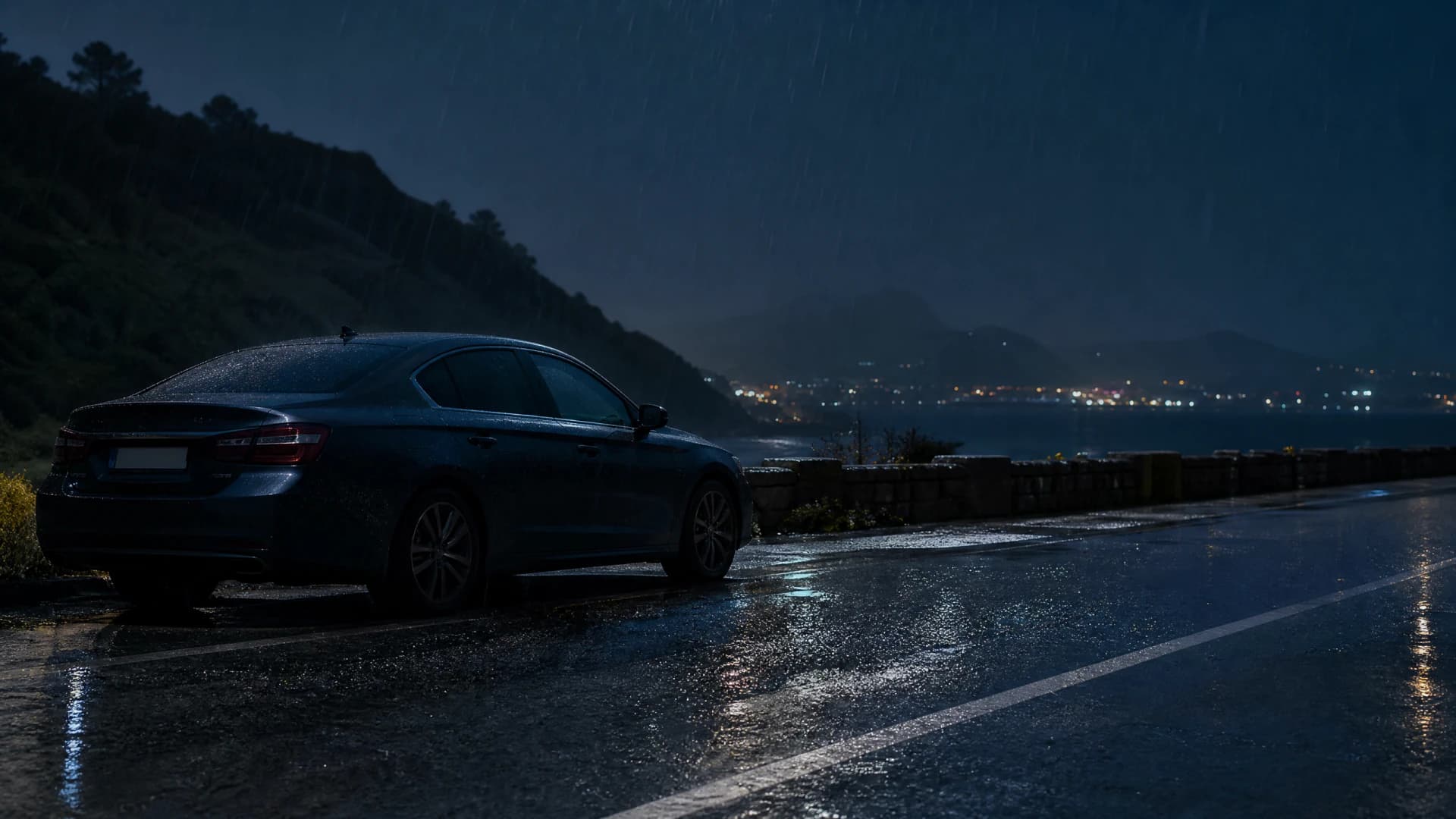
North Dakota's mandatory PIP and uninsured-motorist requirements mean the optional coverage decision is collision and comprehensive only—injury protection is already built into every policy.
Related Articles

Best Multi-Car Insurance Companies in ND
7/15/2026
Liability vs Full Coverage ND Multi-Car
7/15/2026
Best Full Coverage for Multiple Cars in ND
7/15/2026

Multi-Vehicle Coverage Limits North Dakota
7/15/2026
Choosing a Car Insurer in North Dakota
7/15/2026
Best Minimum Coverage Carriers — North Dakota
7/15/2026

How Multi-Vehicle Policies Change the Optional Coverage Calculation
Adding collision and comprehensive to a multi-vehicle policy costs less per vehicle than adding them to separate single-car policies. The multi-car discount applies to the entire policy premium, including optional coverages. A household insuring three vehicles with full coverage on all three pays a lower per-vehicle rate than three separate policies with identical coverage. The discount typically ranges from 10 to 25 percent depending on the carrier, but no carrier publishes exact figures and the discount applies at the policy level, not per vehicle.
The structure decision: whether to carry the same coverage on every vehicle or to tier coverage by vehicle value. Most households carry collision and comprehensive on financed or leased vehicles because the lender requires it, and on newer vehicles they own outright. Older paid-off vehicles with low market value often carry liability-only coverage to avoid paying premiums that approach or exceed the vehicle's replacement cost. This tiered approach captures the multi-car discount across all vehicles while limiting optional coverage premiums to the vehicles where the protection justifies the cost.
Carriers price collision and comprehensive based on the vehicle's value, age, make, model, and theft rate. A newer vehicle with a high replacement cost and a high theft rate costs more to insure for physical damage than an older vehicle with a low replacement cost. Households insuring multiple vehicles see the total policy premium reflect each vehicle's individual risk profile, but the multi-car discount reduces the combined cost below what separate policies would charge.
187.5
North Dakota Vehicle Thefts Per 100,000 Population
North Dakota recorded 187.5 motor vehicle thefts per 100,000 population in 2024, a rate that influences comprehensive coverage pricing for vehicles with higher theft risk in urban counties.
FBI Uniform Crime Reporting, 2024

When Optional Coverages Make Sense for Multiple Vehicles
Collision and comprehensive make sense when the vehicle's value exceeds the coverage cost by a comfortable margin and when losing the vehicle would create a financial hardship. A financed or leased vehicle requires both coverages as a condition of the loan or lease. A newer vehicle you own outright justifies both coverages when the replacement cost is high enough that paying out of pocket would strain your budget. An older vehicle with low market value often does not justify the premium—self-insuring the physical damage risk costs less over time than paying for coverage that approaches the vehicle's value.
The deductible choice matters. A $500 deductible costs more per month than a $1,000 deductible but reduces your out-of-pocket cost at claim time. Households insuring multiple vehicles often choose a higher deductible to lower the monthly premium, accepting the higher upfront cost in exchange for long-term savings. The break-even point depends on how often you file claims: if you go years without a collision or comprehensive claim, the lower premium with a higher deductible saves more than the deductible costs when a claim does occur.
Compare Carriers That Write Multi-Vehicle Policies in North Dakota
Eighteen carriers write auto insurance in North Dakota, and most write multi-vehicle policies with collision and comprehensive options. Allstate, American Family, Farmers, Geico, Liberty Mutual, Nationwide, Progressive, State Farm, and USAA all write multi-car policies and offer collision and comprehensive coverage. Each carrier prices optional coverages differently based on vehicle value, driver profile, and claims history. The carrier that offers the lowest liability-only premium may not offer the lowest full-coverage premium, and the multi-car discount structure varies by carrier.
The comparison step: get quotes from at least three carriers that write multi-vehicle policies in North Dakota, and compare the total policy cost with and without collision and comprehensive on each vehicle. The difference between liability-only and full coverage tells you the cost of the optional coverages per vehicle. If that cost exceeds ten percent of the vehicle's current value, most households drop collision and comprehensive and self-insure the physical damage risk. If the cost is well below that threshold, the coverage justifies the premium.
Structure Your Multi-Vehicle Policy Around Vehicle Value and Use
North Dakota's mandatory PIP and uninsured-motorist requirements mean your baseline policy already includes injury protection. The optional coverage decision is collision and comprehensive, and the value calculation depends on each vehicle's worth and how you use it. Compare carriers that write multi-vehicle policies, tier your coverage by vehicle value, and choose deductibles that balance monthly premium against out-of-pocket cost at claim time. The multi-car discount lowers the total cost, but the optional coverages still need to justify their premium on a per-vehicle basis.
Collision and Comprehensive: The Real Optional Coverage Decision
Collision coverage pays to repair or replace your vehicle after a crash with another vehicle or a fixed object, minus your deductible. Comprehensive coverage pays for damage from theft, vandalism, fire, weather, falling objects, and animal strikes—again, minus your deductible. Both coverages are priced per vehicle, and both require you to choose a deductible: $500 or $1,000 are the most common choices. A higher deductible lowers the premium but increases your out-of-pocket cost at claim time.
The value threshold: if a vehicle is worth less than ten times the annual collision and comprehensive premium, most households drop both coverages and self-insure the physical damage risk. Households with older vehicles on a multi-car policy often carry full coverage on the newer cars and liability-only on the older ones, capturing the multi-car discount across all vehicles while avoiding premiums that exceed the asset value on depreciated cars.
Get Your Free Quote
Get My North Dakota Car Insurance QuoteFrequently Asked Questions
Does North Dakota require collision and comprehensive coverage?
No. North Dakota requires liability, PIP, and uninsured-motorist coverage but does not require collision or comprehensive. Lenders and lessors require both coverages on financed or leased vehicles, but the state does not mandate them for vehicles you own outright.
What is the difference between collision and comprehensive coverage in North Dakota?
Collision pays to repair your vehicle after a crash with another vehicle or object. Comprehensive pays for theft, vandalism, weather damage, and animal strikes. Both are optional unless your lender requires them, and both require you to choose a deductible.
Should I carry full coverage on every vehicle in my multi-car policy?
Not necessarily. Carry collision and comprehensive on financed vehicles and newer vehicles with high replacement cost. Drop both coverages on older vehicles where the annual premium approaches or exceeds the vehicle's current value. The multi-car discount applies to the entire policy regardless of which vehicles carry optional coverages.
How does the multi-car discount affect optional coverage costs in North Dakota?
The multi-car discount reduces the total policy premium, including collision and comprehensive. Adding optional coverages to a multi-vehicle policy costs less per vehicle than adding them to separate single-car policies. The discount applies at the policy level, not per vehicle, and varies by carrier.
What deductible should I choose for collision and comprehensive on multiple vehicles?
Choose a $500 deductible if you want lower out-of-pocket cost at claim time, or a $1,000 deductible to lower your monthly premium. Households insuring multiple vehicles often choose higher deductibles to reduce the total policy cost, accepting the higher upfront cost in exchange for long-term savings if claims are infrequent.
Can I drop collision and comprehensive mid-term on one vehicle in my multi-car policy?
Yes, if you own the vehicle outright. Contact your carrier to remove collision and comprehensive from a specific vehicle. The change takes effect immediately and reduces your premium for the remainder of the term. Financed or leased vehicles require both coverages until the loan or lease ends.
Which North Dakota carriers write multi-vehicle policies with optional coverages?
Allstate, American Family, Farmers, Geico, Liberty Mutual, Nationwide, Progressive, State Farm, and USAA all write multi-vehicle policies in North Dakota and offer collision and comprehensive coverage. Each carrier prices optional coverages differently, so compare quotes from at least three carriers to find the lowest total policy cost.