
Car Insurance Costs — North Dakota
Free to compare
Why North Dakota Multi-Car Premiums Do Not Add Up the Way You Expect
You added a second car to your North Dakota policy and the premium jumped more than you expected. You assumed the increase would be the base rate for the new vehicle plus a discount for having two cars on one policy. Instead, the entire policy re-rated, and the mandatory PIP and uninsured-motorist coverage you carry on the first car now applies to both vehicles at a higher combined premium.
North Dakota requires personal injury protection (PIP) and uninsured-motorist coverage on every auto policy, not just liability minimums. Those mandates price at the policy level, not per vehicle. When you add a car, the carrier re-calculates PIP and uninsured-motorist coverage across the entire policy, which is why the increase does not match the per-vehicle rate you were quoted. Multi-car households structuring coverage in North Dakota must compare total policy cost after the multi-car discount, not per-vehicle base rates.
“The multi-car discount does not offset PIP and uninsured-motorist pricing differences uniformly across carriers.”

Find Coverage That Keeps You Legal in North Dakota
Get My North Dakota Car Insurance Quote$25,000 / $50,000 / $25,000
North Dakota Liability Minimums
North Dakota requires $25,000 bodily injury per person, $50,000 bodily injury per accident, and $25,000 property damage. PIP and uninsured-motorist coverage are mandatory on top of those limits, which raises the floor cost of any policy above the liability-only minimum most states impose.
North Dakota Department of Transportation
What North Dakota Requires on Every Policy
North Dakota mandates three coverage types on every auto policy: liability insurance at the minimums above, personal injury protection, and uninsured-motorist coverage. Liability pays for damage you cause to others. PIP pays your own medical bills and lost wages after a crash, regardless of fault. Uninsured-motorist coverage pays your injuries when the at-fault driver has no insurance or insufficient coverage.
Most states require only liability minimums. North Dakota adds PIP and uninsured-motorist coverage as mandatory components, which means the cheapest legal policy in North Dakota costs more than the cheapest legal policy in a liability-only state. When you insure multiple vehicles, those mandates apply to the entire policy, not to each car individually.
The multi-car discount reduces your premium when you insure two or more vehicles on the same policy. Carriers structure the discount differently: some apply a percentage to each vehicle's base rate, others reduce the policy-level charges for PIP and uninsured-motorist coverage. The total premium after the discount is what matters, not the per-vehicle breakdown.
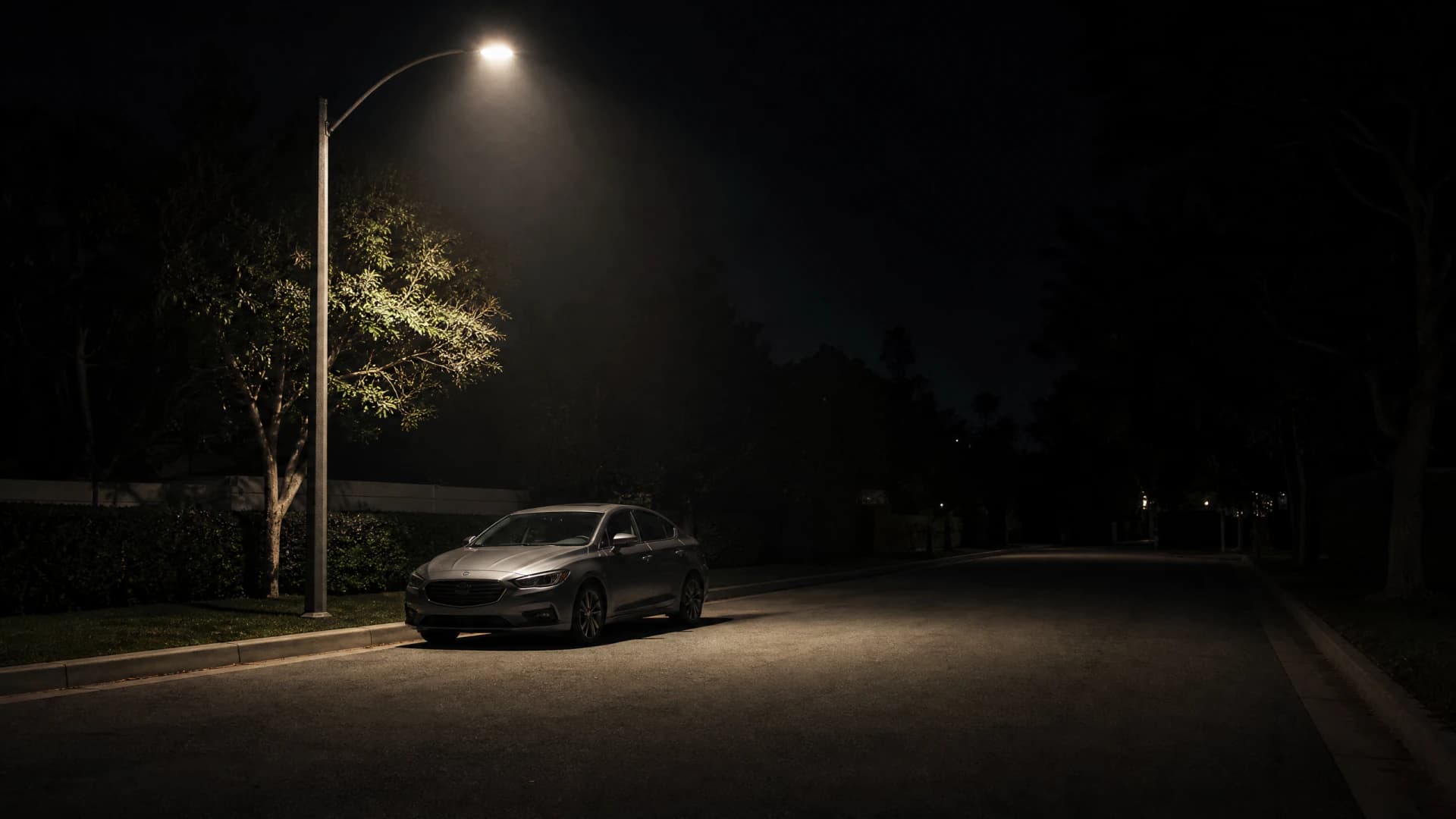
North Dakota's mandatory PIP and uninsured-motorist coverage re-price when you add a vehicle, which is why the premium increase does not match the per-car rate you expected.


What Drives Premium Differences Across Carriers
North Dakota's mandatory PIP and uninsured-motorist coverage requirements mean carriers price policies differently even when the liability limits and vehicle details are identical. PIP pricing varies by carrier: some use a flat per-policy charge, others price it per vehicle or per driver. Uninsured-motorist coverage typically mirrors your liability limits, but carriers apply different base rates to that coverage depending on their claims experience in North Dakota.
The multi-car discount does not offset those differences uniformly. A carrier with a low base rate but high PIP charges may cost more for a multi-car household than a carrier with a higher base rate but lower PIP pricing. The only way to identify the cheapest total policy is to compare quotes from multiple carriers that write all your vehicles on one policy.
North Dakota's 10.6% uninsured-motorist rate is higher than the national average, which affects how carriers price uninsured-motorist coverage. Carriers with higher uninsured-motorist claims in North Dakota charge more for that mandate, even when their liability rates are competitive. Multi-car households see that difference amplified across every vehicle on the policy.
18 carriers
North Dakota Licensed Auto Insurers
North Dakota licenses 18 carriers that write auto insurance, including preferred-tier writers like State Farm and USAA, standard-tier carriers like Geico and Progressive, and non-standard writers like Bristol West and The General. Not every carrier writes multi-car policies efficiently; compare total policy cost across carriers that write all your vehicles.
North Dakota Insurance Department

How Adding a Vehicle Re-Rates Your Entire Policy
When you add a vehicle to an existing North Dakota policy, the carrier re-calculates the entire policy premium, not just the cost of the new car. The multi-car discount applies to the new total, but the mandatory PIP and uninsured-motorist coverage charges also re-price based on the new vehicle count and the combined risk profile of all cars on the policy. If the new vehicle is higher-risk than your existing cars, the policy-level PIP and uninsured-motorist charges may increase for every vehicle, not just the one you added.
Carriers structure PIP pricing by vehicle use, driver count, or policy-level flat charges. Adding a vehicle may push your policy into a higher PIP pricing tier, which raises the premium across all vehicles. The same applies to uninsured-motorist coverage: carriers price it as a percentage of your liability limits, and adding a vehicle may change the carrier's assessment of your total policy risk, which adjusts the uninsured-motorist rate for the entire policy.
Compare Total Policy Cost, Not Per-Vehicle Rates
North Dakota households insuring multiple vehicles should request quotes that show the total policy premium after the multi-car discount and all mandatory coverage charges. Per-vehicle rate breakdowns are useful for understanding how the carrier prices each car, but the total policy cost is what you pay. A carrier that quotes a lower per-vehicle rate may charge higher PIP and uninsured-motorist premiums at the policy level, which erases the per-vehicle savings.
Request quotes from at least three carriers that write all your vehicles on one policy. Confirm that each quote includes North Dakota's mandatory PIP and uninsured-motorist coverage at the limits you need. Compare the total annual or monthly premium, not the per-vehicle breakdown. The carrier with the lowest total policy cost after the multi-car discount is the cheapest option for your household, regardless of how they structure the per-vehicle rates.
How Carriers Price Multi-Car Policies in North Dakota
Some carriers apply the multi-car discount to each vehicle's base rate before adding the mandatory PIP and uninsured-motorist charges. Others apply the discount to the total policy premium after all coverage components are priced. A carrier that discounts the base rate may still charge full policy-level PIP and uninsured-motorist premiums, which erodes the discount's value. A carrier that discounts the total policy premium after adding PIP and uninsured-motorist coverage delivers a larger effective discount.
North Dakota licenses 18 carriers that write auto insurance, including Allstate, American Family, Farmers, Geico, Progressive, State Farm, USAA, and several non-standard writers. Not every carrier writes multi-car policies efficiently. Some carriers price PIP and uninsured-motorist coverage as flat policy charges that do not scale with vehicle count. Others price those mandates per vehicle, which raises the total premium faster as you add cars. Compare total policy cost across carriers, not per-vehicle rates.
Get Your Free Quote
Get My North Dakota Car Insurance QuoteFrequently Asked Questions
Does North Dakota require PIP and uninsured-motorist coverage on every vehicle?
North Dakota requires PIP and uninsured-motorist coverage on every auto policy, not per vehicle. Those mandates apply at the policy level, so when you insure multiple vehicles on one policy, the carrier prices PIP and uninsured-motorist coverage across the entire policy, not separately for each car.
How much does the multi-car discount save in North Dakota?
The multi-car discount amount varies by carrier and depends on how the carrier structures the discount. Some carriers apply it to each vehicle's base rate, others apply it to the total policy premium after adding mandatory PIP and uninsured-motorist charges. Compare total policy cost across carriers to identify the largest effective discount.
Can I insure multiple cars on separate policies in North Dakota?
You can insure multiple cars on separate policies, but you lose the multi-car discount, which only applies when all vehicles sit on the same policy. Separate policies also mean you pay PIP and uninsured-motorist coverage charges on each policy individually, which raises your total household premium.
What is the cheapest way to insure two cars in North Dakota?
The cheapest way to insure two cars in North Dakota is to place both vehicles on one policy with a carrier that prices PIP and uninsured-motorist coverage efficiently and offers a multi-car discount. Compare total policy cost across carriers, not per-vehicle rates, because the mandates re-price at the policy level.
Do all North Dakota carriers offer a multi-car discount?
Most carriers licensed in North Dakota offer a multi-car discount, but the discount structure and amount vary. Some carriers apply the discount only to liability premiums, others apply it to the total policy cost including PIP and uninsured-motorist charges. Request quotes from multiple carriers to compare total policy cost after the discount.
Why did my premium increase more than expected when I added a second car?
Your premium increased more than expected because North Dakota's mandatory PIP and uninsured-motorist coverage re-priced when you added the second vehicle. Those mandates apply at the policy level, so adding a car changes the total policy risk and adjusts the PIP and uninsured-motorist charges for every vehicle on the policy.