
Car Registration After Moving — North Dakota
Free to compare
The Registration Window When You Move With Multiple Vehicles
North Dakota law gives you 60 days from the date you establish residency to register each vehicle you brought with you. That 60-day clock starts when you take a job, sign a lease, or register to vote — not when you physically cross the state line. The law applies per vehicle, which means you can register your first car on day 10 and your second car on day 50 without violating the statute.
The structural problem most multi-car households miss: your out-of-state insurance policy does not wait 60 days. Many carriers cancel or non-renew a policy within 30 days of detecting an out-of-state move, and some states require you to surrender your old plates before issuing new ones. If your out-of-state policy cancels on day 35 and you have not yet registered your second vehicle in North Dakota, that vehicle sits uninsured until you complete the registration and obtain North Dakota coverage.
“Your out-of-state insurer will cancel your policy when it detects the move — often before North Dakota's 60-day registration window closes.”

Find Coverage That Keeps You Legal in North Dakota
Get My North Dakota Car Insurance Quote60 days
ND Registration Deadline
North Dakota Century Code 39-05-02 requires new residents to register each vehicle within 60 days of establishing residency. The deadline is per vehicle, not per household, but your out-of-state insurer may cancel coverage sooner.
NDCC 39-05-02
What North Dakota Considers Proof of Residency
The NDDOT defines residency as the state where you maintain your primary home and intend to remain indefinitely. Indicators include a North Dakota driver license, voter registration, employment in the state, or a lease or mortgage on a North Dakota property. You do not need all four — any one can trigger the 60-day clock.
For multi-car households, this creates a timing trap: if you register to vote or update your driver license immediately after moving, the 60-day registration window opens for every vehicle you own, even if you plan to register them one at a time to spread the cost. The statute does not care about your budget — once you establish residency, the clock runs on all vehicles simultaneously.
Most households discover this when they register their daily driver within the first two weeks, then wait a month to register the second or third car. By the time they bring the second vehicle to the DMV, 45 days have passed since they established residency, leaving only 15 days to complete the process before the statutory deadline. If the DMV requires an out-of-state title that takes three weeks to arrive, you miss the window through no fault of your own.
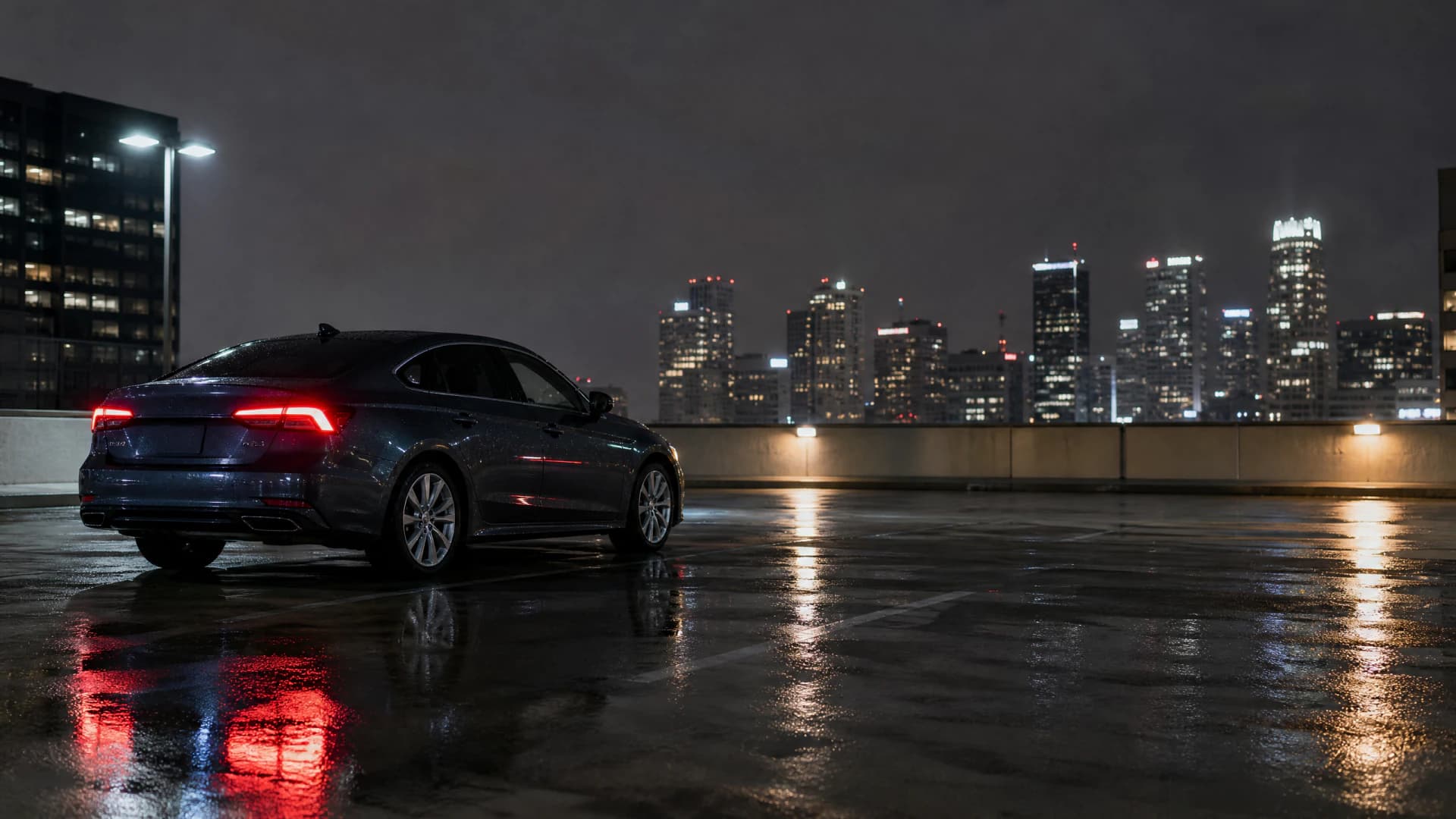
Your out-of-state insurer will cancel your policy when it detects the move — often before North Dakota's 60-day registration window closes.




What Happens If Your Out-of-State Policy Cancels Early
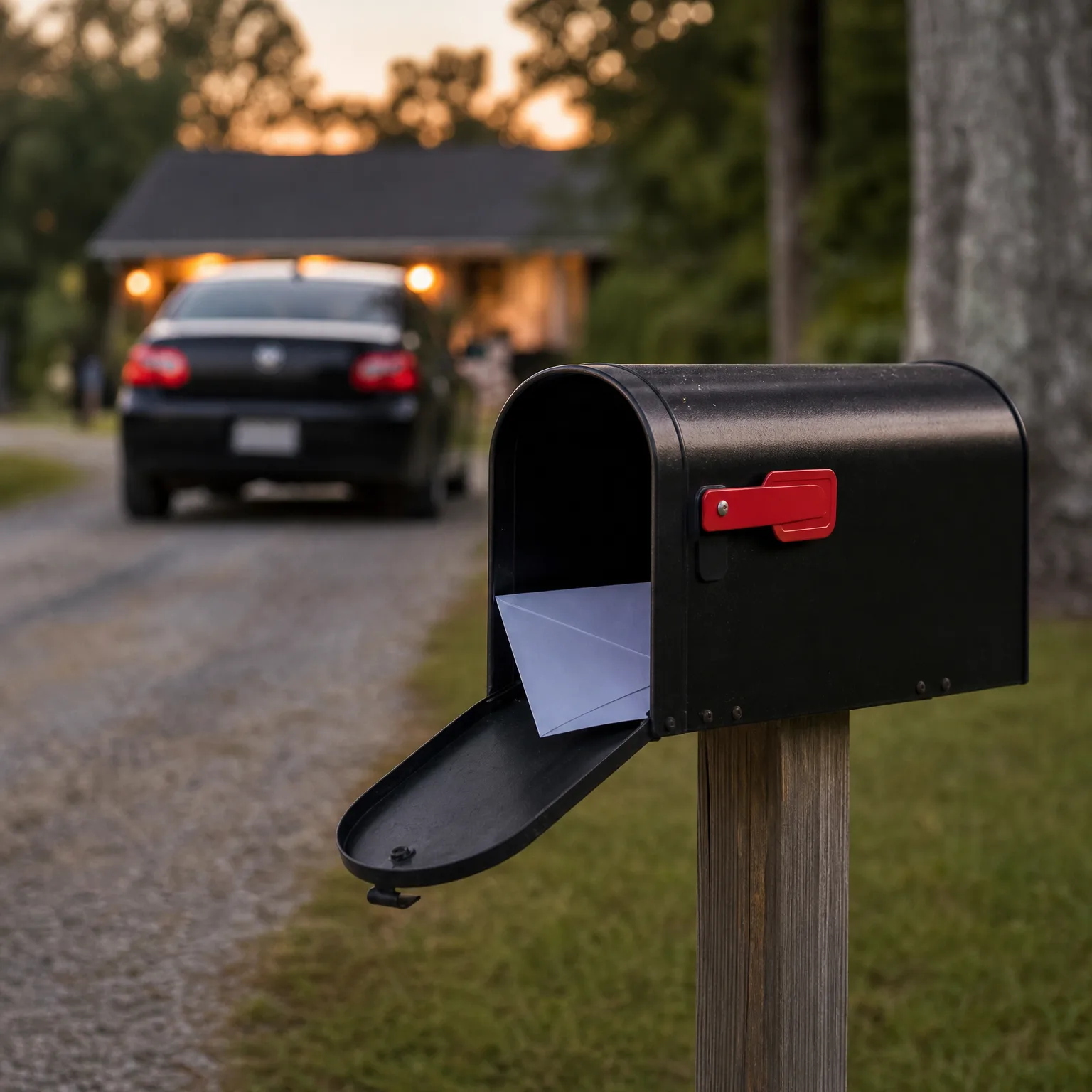
Carriers detect moves through address-change requests, claims filed from a new location, or periodic database checks against DMV records in other states. When a carrier identifies an out-of-state move, it typically sends a non-renewal notice or a cancellation notice giving you 10 to 30 days to obtain in-state coverage. The notice period varies by carrier and by the terms of your original policy.
If the cancellation takes effect before you register your second or third vehicle in North Dakota, that vehicle sits uninsured. North Dakota law does not provide a grace period for newly moved residents — the requirement to carry liability insurance applies the moment you establish residency, regardless of whether the vehicle is registered yet. Driving an uninsured vehicle, even with out-of-state plates still attached, violates North Dakota Compiled Code 39-16.1-04 and can result in a fine, license suspension, and SR-22 filing requirement.
The failure mode most households encounter: they register their primary vehicle on day 15, their out-of-state insurer cancels on day 35, and they do not register their second vehicle until day 50. Between day 35 and day 50, the second vehicle has no coverage. If that vehicle is parked and never driven, the risk is lower but still present — North Dakota requires insurance on all registered vehicles, and your out-of-state registration remains active until you surrender the plates. If you drive the vehicle during that gap, you are operating uninsured.
$25,000 / $50,000 / $25,000
ND Minimum Liability Limits
North Dakota requires all drivers to carry at least $25,000 bodily injury per person, $50,000 bodily injury per accident, and $25,000 property damage. The state also mandates uninsured motorist coverage and personal injury protection, both of which must meet or exceed these minimums.
North Dakota Insurance Department

How Multi-Car Discounts Apply When You Move
Most North Dakota carriers offer a multi-car discount when you insure two or more vehicles on the same policy. The discount typically requires every vehicle to be garaged at the same North Dakota address and titled to the same household. If you register your vehicles on different dates but bind them to the same North Dakota policy from the start, the discount applies immediately — the registration date does not matter, only the policy structure.
The trap: if you keep your out-of-state policy active for one vehicle while you register and insure the other vehicle on a separate North Dakota policy, you lose the multi-car discount until you combine them. Some households do this intentionally to avoid a coverage gap, but the cost is higher than binding all vehicles to one North Dakota policy before you register any of them. Compare the premium for a single North Dakota policy covering all vehicles against the combined cost of maintaining your out-of-state policy for 30 days while you transition the first vehicle — in most cases, the single-policy approach costs less even when you pay for a month of overlap.
What Documentation You Need for Each Vehicle
North Dakota requires the out-of-state title for each vehicle, proof of North Dakota insurance showing the minimum liability limits, and payment for registration fees and excise tax. If your out-of-state title is held by a lienholder, request the title transfer before you move — some states take three to six weeks to process the release, and North Dakota will not register the vehicle without it.
For households registering multiple vehicles, gather all titles and insurance documents before you visit the DMV. North Dakota does not allow you to register one vehicle and return later with the title for the second — each vehicle requires a separate transaction, but completing them in one visit ensures you do not lose track of the 60-day deadline. If one title is delayed, register the vehicles you can and monitor the deadline for the remaining one closely.

Compare North Dakota Carriers Before You Register
North Dakota has 19 carriers writing auto insurance in the state, and rates vary significantly based on how many vehicles you insure, where you garage them, and your driving history. Request quotes from at least three carriers before you bind coverage, and provide the same vehicle count and garaging address to each so the quotes are comparable. Carriers that specialize in multi-car households often offer better rates than carriers that focus on single-vehicle policies, even when the single-vehicle carrier advertises a lower base rate.
Bind your North Dakota policy at least two weeks before your out-of-state policy cancels, and confirm the effective date aligns with your registration timeline. Once the policy is active, register all vehicles within the same week to close the window during which any vehicle might sit uninsured. The registration fees and excise tax are unavoidable, but the insurance premium is controllable — comparing carriers before you move saves more than rushing into the first quote you receive.
How to Sequence Registration and Insurance Across Multiple Vehicles
Contact a North Dakota carrier before you move and request a quote for all vehicles you will bring with you. Provide the VINs, current garaging address, and your anticipated North Dakota address. Most carriers will bind coverage with an effective date up to 30 days in the future, which lets you lock in the policy before your out-of-state insurer cancels. Once the North Dakota policy is bound, notify your out-of-state carrier of the cancellation date so it aligns with the new policy's start.
Register all vehicles within the same week if possible. North Dakota does not require you to register them on the same day, but clustering the registrations minimizes the window during which one vehicle is plated and insured in North Dakota while another still carries out-of-state plates and relies on your old policy. If your out-of-state policy cancels midway through that window, the unregistered vehicle loses coverage. Staggering registrations by 30 or 40 days to spread the cost creates exactly this gap.
Get Your Free Quote
Get My North Dakota Car Insurance QuoteFrequently Asked Questions
Can I register one vehicle in North Dakota and keep the other on my out-of-state registration?
No. North Dakota requires you to register every vehicle you own within 60 days of establishing residency. Keeping one vehicle on out-of-state plates while registering another does not extend the deadline — the 60-day clock runs on all vehicles simultaneously once you become a resident.
Does my out-of-state insurance cover my cars after I move to North Dakota?
Most out-of-state insurers cancel or non-renew your policy within 30 days of detecting the move. Coverage may lapse before North Dakota's 60-day registration window closes, leaving your unregistered vehicles uninsured. Obtain North Dakota insurance before you register any vehicle to avoid this gap.
Do I need to register all my vehicles on the same day?
No, but registering them within the same week minimizes the risk of a coverage gap. If your out-of-state policy cancels midway through a 30-day registration window, any vehicle not yet registered in North Dakota loses coverage. Clustering the registrations reduces that exposure.
What happens if I miss the 60-day registration deadline?
Operating an unregistered vehicle after the 60-day deadline violates North Dakota law and can result in fines and penalties. If you are stopped, law enforcement may impound the vehicle until you complete the registration. The deadline applies per vehicle, so missing it for one car does not extend the window for another.
Can I get a multi-car discount if I register my vehicles on different dates?
Yes, as long as all vehicles are insured on the same North Dakota policy from the start. The discount depends on policy structure, not registration timing. If you register one vehicle on day 10 and another on day 40 but both are listed on the same policy, the discount applies to both.