
Liability-Only vs Full Coverage — North Dakota
Free to compare
The Decision Point for Multiple Vehicles
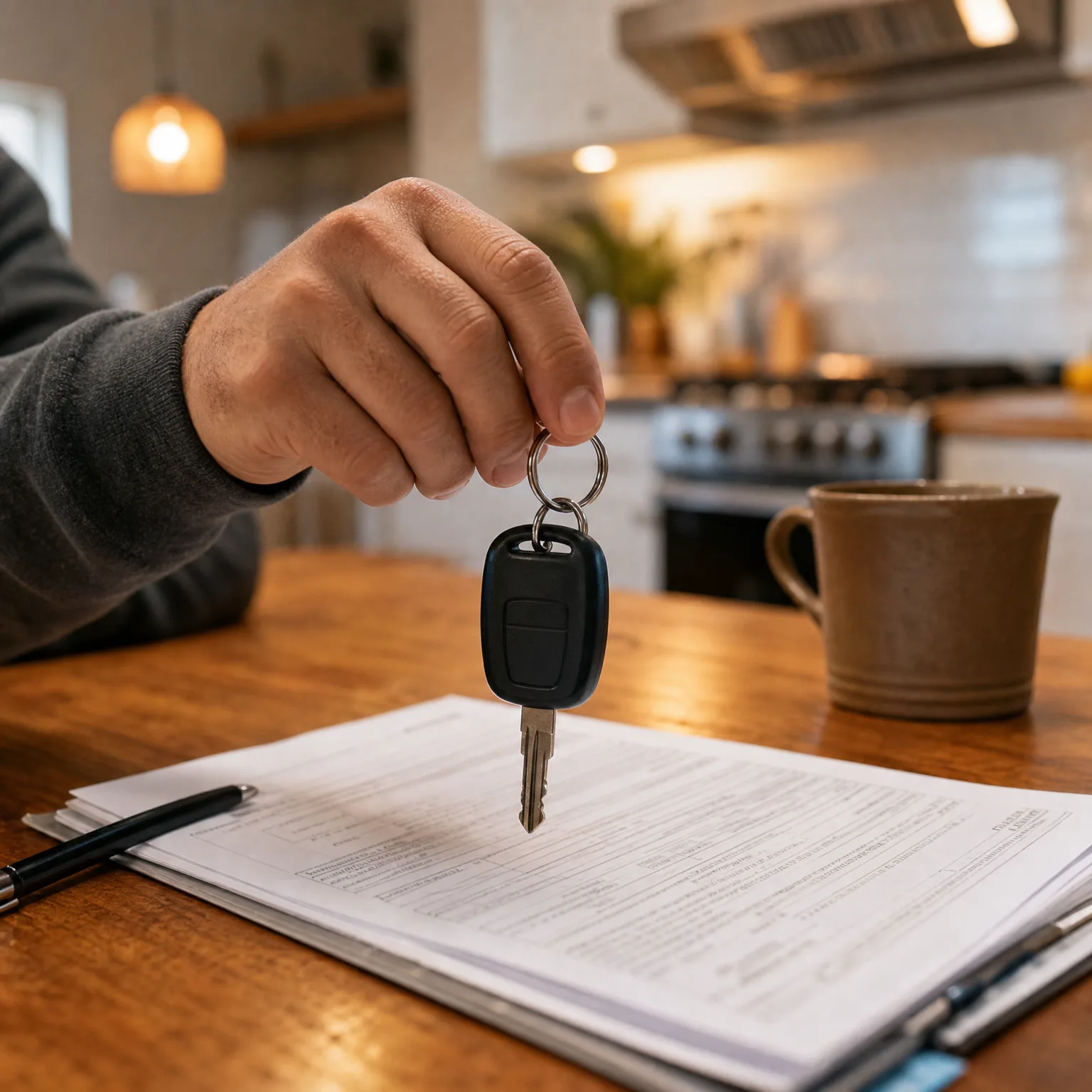
You own two cars. One is a 2022 model you're still paying off; the other is a 2010 with 140,000 miles that runs fine but isn't worth much. You know the lender requires collision and comprehensive on the financed car, but you're weighing whether the older vehicle needs anything beyond North Dakota's minimum coverage. The choice feels straightforward until you realize that what North Dakota calls minimum coverage includes more than liability.
North Dakota requires personal injury protection and uninsured motorist coverage on every vehicle, not just bodily injury and property damage liability. That changes the cost floor. When you add collision to one car on a multi-vehicle policy, the carrier re-rates the entire policy, not just the vehicle you're adding coverage to. The decision is not per-car; it's structural.
“Adding collision to one car on a multi-vehicle policy re-rates every vehicle on the account, not just the one receiving the new coverage.”
Find Coverage That Keeps You Legal in North Dakota
Get My North Dakota Car Insurance Quote$25,000 / $50,000 / $25,000
North Dakota Liability Minimums
North Dakota requires $25,000 bodily injury per person, $50,000 per accident, and $25,000 property damage. PIP and uninsured motorist coverage are mandatory on top of these liability limits, so liability-only policies in North Dakota carry more coverage than in states without those mandates.
North Dakota Department of Transportation
What Liability-Only Actually Covers in North Dakota
Liability-only in North Dakota is not just bodily injury and property damage coverage. The state mandates personal injury protection, which pays your medical expenses and lost wages regardless of fault, and uninsured motorist coverage, which protects you when the at-fault driver has no insurance or insufficient limits. These two coverages sit on top of the $25,000/$50,000/$25,000 liability floor.
This means a liability-only policy in North Dakota costs more than the same liability limits would cost in a state without PIP or uninsured-motorist mandates. You're buying four coverages, not two. The older vehicle on your policy carries this full set of mandatory coverages even if you skip collision and comprehensive.
Collision pays to repair your car after a crash with another vehicle or object, regardless of fault. Comprehensive pays for theft, vandalism, hail, fire, and animal strikes. Neither is required by North Dakota law, but lenders require both on financed or leased vehicles. If you own a car outright, the decision is yours.

Adding collision to one vehicle on a multi-car policy re-rates every car on the account, not just the one receiving the new coverage.
Related Articles


When Collision Makes Sense for the Second Vehicle
A conventional rule of thumb: if the vehicle's market value is less than ten times the annual collision premium, collision coverage costs more than it protects. Deductibles matter here.
Comprehensive coverage is cheaper than collision and covers risks that are not tied to the vehicle's age: hail, theft, vandalism, animal strikes. North Dakota sees significant hail and deer-strike claims. If you drop collision on the older car, keeping comprehensive may still make sense depending on where you garage the vehicle and how often you drive rural roads.
When you own three or more vehicles, the decision multiplies. Insuring all three with full coverage costs more than insuring two with full coverage and one liability-only, but the multi-car discount applies to the total premium. Compare the combined cost of all three vehicles under both structures before deciding. The discount does not make collision free; it reduces the total cost, and that reduction may or may not offset the collision premium on the third vehicle.
10.6%
North Dakota Uninsured Motorist Rate
One in ten drivers in North Dakota carries no insurance. Uninsured motorist coverage is mandatory in North Dakota, so every liability-only policy includes protection against uninsured drivers. This coverage pays your medical bills and vehicle damage when the at-fault driver has no insurance.
Insurance Research Council, 2023

Comparing Carriers for Multi-Vehicle Policies
Not every carrier prices multi-car policies the same way. Some apply a larger discount when all vehicles carry full coverage; others apply the same discount regardless of coverage structure. North Dakota's carrier roster includes 19 companies writing auto insurance in the state, and each uses a different rating model for multi-vehicle accounts.
When you request quotes, specify the exact coverage structure you're considering: liability-only on one vehicle and full coverage on the others, or full coverage on all. The quote you receive will reflect the multi-car discount applied to that specific structure. Changing the structure after binding the policy triggers a re-rate, not a simple addition or subtraction.
Next Step: Compare Coverage Structures
Run quotes for both structures: liability-only on the older vehicle with full coverage on the financed car, and full coverage on both. The difference between the two totals is the cost of collision and comprehensive on the second vehicle after the multi-car discount is applied. If that difference is less than the vehicle's value divided by ten, full coverage makes sense. If it's more, liability-only is the better choice. Compare carriers that write multi-vehicle policies in North Dakota and structure your coverage around the household's actual risk, not a generic rule.
How Full Coverage Changes the Multi-Car Policy
Carriers price multi-car policies as a single unit. Adding collision to one car changes the risk profile of the entire account, and the carrier re-rates every vehicle to reflect that change. The older car's liability-only premium may increase slightly even though you did not add collision to it. This is not a mistake; it's how multi-car policies are priced.
The multi-car discount applies to the total premium after all coverages are factored in. If you add collision to the financed car and keep the older car liability-only, the discount applies to the combined premium for both vehicles. The discount does not apply separately to each car; it reduces the total policy cost, so the structure of coverage across all vehicles affects the final number.
Get Your Free Quote
Get My North Dakota Car Insurance QuoteFrequently Asked Questions
Does North Dakota require collision and comprehensive coverage?
No. North Dakota requires liability, personal injury protection, and uninsured motorist coverage, but collision and comprehensive are optional unless a lender requires them on a financed or leased vehicle.
What is the difference between liability-only and full coverage in North Dakota?
Liability-only in North Dakota includes bodily injury and property damage liability, personal injury protection, and uninsured motorist coverage. Full coverage adds collision and comprehensive to that base. North Dakota's mandatory PIP and uninsured-motorist requirements mean liability-only is not as minimal as in other states.
Can I insure one car with full coverage and another with liability-only on the same policy?
Yes. You can structure coverage differently for each vehicle on a multi-car policy. The carrier will re-rate the entire policy when you add or remove collision or comprehensive from any vehicle, so the premium for every car on the account may change.
Does the multi-car discount apply if one vehicle has liability-only and another has full coverage?
Yes. The multi-car discount applies to the total premium for all vehicles on the policy, regardless of whether each car carries the same coverage. The discount reduces the combined cost, not the per-vehicle cost.
When should I drop collision coverage on an older car?
A common guideline: if the vehicle's market value is less than ten times the annual collision premium, collision coverage costs more than it protects. Comprehensive is cheaper and may still make sense for hail and animal-strike risk even if you drop collision.