Car Insurance Laws North Dakota Drivers Should Know
Free to compare
What North Dakota Requires for Every Vehicle You Insure
You own two cars, maybe three. You're adding a vehicle to your existing policy, or you're combining policies after a household change. Either way, you need to know what North Dakota law requires you to carry on every vehicle before you can register it, renew your plates, or legally drive.
North Dakota is one of the few states that mandates both personal injury protection and uninsured motorist coverage on top of basic liability limits. Miss either one and your policy does not meet state requirements, even if your liability limits are correct. This article walks through the specific coverage North Dakota law requires, what each coverage does, and how these requirements apply when you're insuring multiple vehicles on one policy.
“North Dakota mandates both PIP and uninsured motorist coverage on top of liability minimums, a requirement many multi-car households miss.”
Find Coverage That Keeps You Legal in North Dakota
Get My North Dakota Car Insurance Quote$25,000 / $50,000 / $25,000
North Dakota Minimum Liability
North Dakota requires $25,000 bodily injury per person, $50,000 bodily injury per accident, and $25,000 property damage. These minimums apply to every vehicle you register in the state.
North Dakota Century Code 39-16.1
North Dakota Mandates PIP and Uninsured Motorist Coverage
North Dakota law requires personal injury protection and uninsured motorist coverage on every auto policy. These are not optional add-ons. Liability alone does not satisfy state requirements.
Personal injury protection covers your medical expenses and lost wages after a crash, regardless of who caused it. Uninsured motorist coverage protects you when the at-fault driver has no insurance or insufficient coverage. Both coverages must be present on your policy before the state will accept proof of insurance for registration.
When you're insuring multiple vehicles on one policy, PIP and uninsured motorist coverage apply to the policy as a whole. You do not buy separate PIP or uninsured motorist limits for each car. The policy-level coverage protects all listed drivers and all listed vehicles.
If you're combining two existing policies into one after marriage or a household move, verify that the combined policy carries both PIP and uninsured motorist coverage. Some out-of-state policies do not include these coverages because the previous state did not require them. Your new North Dakota policy must add them before you can register any vehicle in the state.
North Dakota will not accept proof of insurance for registration unless your policy includes PIP and uninsured motorist coverage. Liability minimums alone are insufficient.
Related Articles
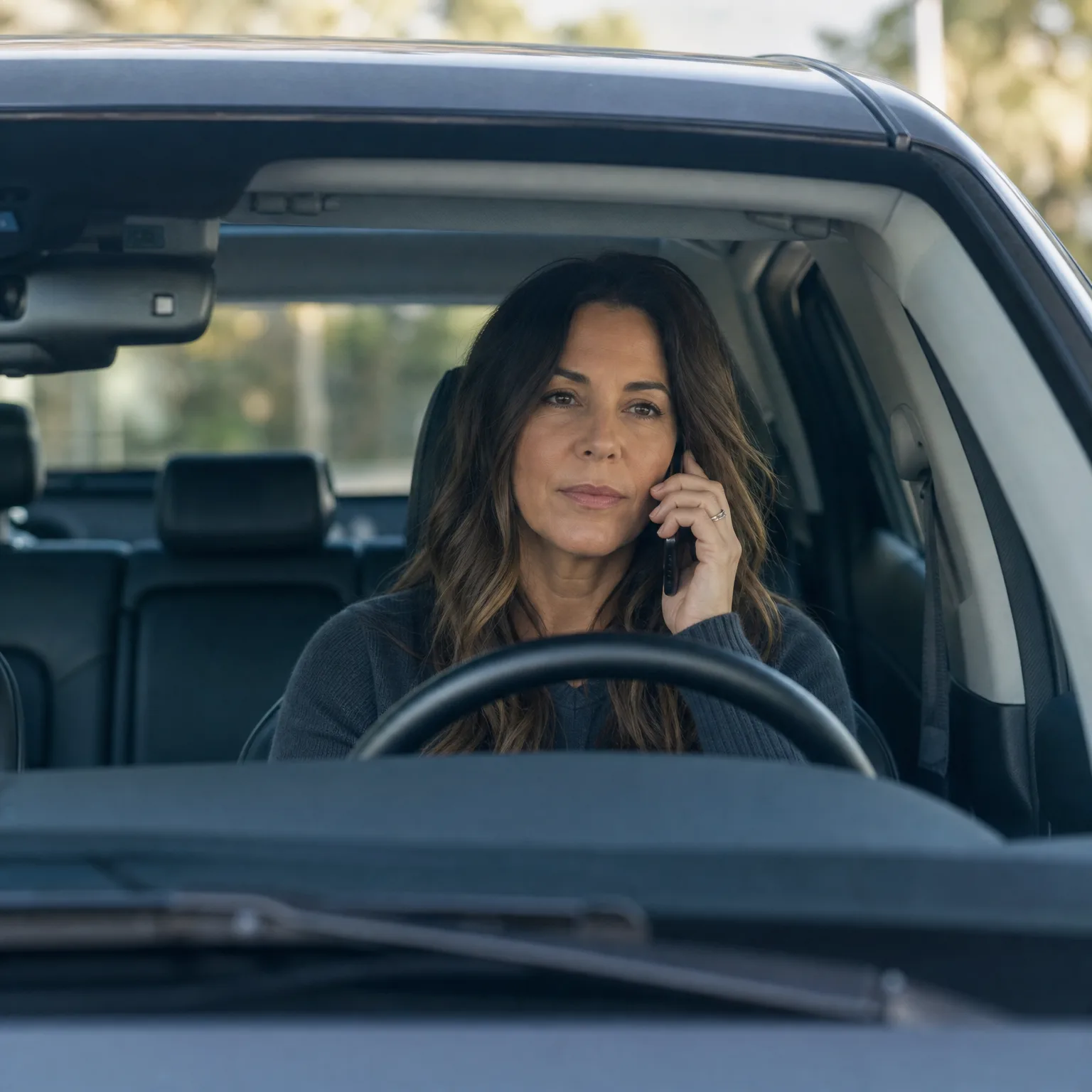

What Happens When You Add a Vehicle to Your Policy
You buy a second or third car. You need to add it to your existing North Dakota policy. Most carriers give you a grace period to report the new vehicle, typically 14 to 30 days depending on the carrier. During that window, your existing policy extends liability, PIP, and uninsured motorist coverage to the newly acquired vehicle automatically.
After the grace period expires, an unreported vehicle loses coverage. If you have a crash in an unreported car after the grace window closes, your carrier can deny the claim. The grace period exists to give you time to contact your carrier and formally add the vehicle, not to delay indefinitely.
When you add a vehicle mid-term, your carrier re-rates the entire policy. The premium adjusts based on the new vehicle's year, make, model, and how it changes the overall risk profile of your household. Adding a third car does not simply tack on a flat amount; the carrier recalculates coverage across all vehicles and all drivers listed on the policy.
10.6%
North Dakota Uninsured Motorist Rate
One in ten North Dakota drivers carries no insurance. Uninsured motorist coverage protects you when an at-fault driver cannot pay for the damage they caused.
Insurance Research Council, 2023
Full Coverage vs Minimum Coverage for Multiple Vehicles
Minimum coverage in North Dakota means liability, PIP, and uninsured motorist only. It satisfies state registration requirements, but it does not cover damage to your own vehicles. If you cause a crash, minimum coverage pays for the other driver's injuries and property damage up to your liability limits. Your own car is not covered.
Full coverage adds collision and comprehensive to the state-required minimums. Collision covers damage to your vehicle in a crash, regardless of fault. Comprehensive covers theft, vandalism, weather damage, and animal strikes. When you're insuring multiple vehicles, you choose collision and comprehensive separately for each car. You can carry full coverage on one vehicle and minimum coverage on another if that fits your household's risk tolerance and budget.
Compare Carriers That Write Multi-Vehicle Policies in North Dakota
North Dakota has 19 carriers writing auto insurance in the state. Not all of them offer competitive multi-vehicle rates, and not all of them write policies for households with three or more cars. When you're structuring coverage across multiple vehicles, compare carriers that specialize in multi-car policies and understand how the multi-vehicle discount applies to your specific household.
Start by confirming that every vehicle you own meets North Dakota's minimum requirements: liability, PIP, and uninsured motorist coverage. Then decide which vehicles need collision and comprehensive based on their value and how you use them. Request quotes from at least three carriers, and verify that each quote reflects the same coverage limits and the same vehicles so you can compare accurately.
How North Dakota Verifies Insurance at Registration
When you register a vehicle at the North Dakota Department of Transportation, the agency checks your insurance electronically. Your carrier files proof of coverage directly with the state. You do not need to bring a paper insurance card to the DMV for initial registration, but you must carry proof of insurance in the vehicle at all times after registration. North Dakota law requires you to show proof of insurance to law enforcement on request.
If your insurance lapses after registration, your carrier notifies the state. The suspension applies to every vehicle registered under your name. When you're managing multiple vehicles on one policy, a single lapse suspends registration for all of them simultaneously.
Get Your Free Quote
Get My North Dakota Car Insurance QuoteFrequently Asked Questions
Does North Dakota require insurance on every vehicle I own?
North Dakota requires insurance on every vehicle you register. If you own a car but do not register it or drive it on public roads, you are not required to insure it. Once you register a vehicle, the state requires continuous liability, PIP, and uninsured motorist coverage.
Can I insure multiple cars on one policy in North Dakota?
Yes. Most North Dakota carriers allow you to insure two or more vehicles on one policy. Insuring multiple vehicles on the same policy typically qualifies you for a multi-vehicle discount, which lowers the combined premium compared to separate policies for each car.
What happens if I let my North Dakota car insurance lapse?
If your insurance lapses, your carrier notifies the North Dakota Department of Transportation. The suspension applies to every vehicle registered under your name.
Do I need uninsured motorist coverage in North Dakota?
Yes. North Dakota law requires uninsured motorist coverage on every auto policy. You cannot register a vehicle in North Dakota with liability and PIP alone. Uninsured motorist coverage is mandatory.
How much does car insurance cost for two cars in North Dakota?
The cost depends on the vehicles you insure, the drivers on your policy, your coverage selections, and your driving history. North Dakota's average annual expenditure per insured vehicle is lower than the national average, but individual rates vary widely by household.
Can I drop PIP coverage in North Dakota?
No. North Dakota requires personal injury protection on every auto policy. You cannot drop PIP and still meet state registration requirements. PIP is mandatory, not optional.