
Driving Without Insurance — North Dakota
Free to compare
What Happens the Moment You're Caught
You were pulled over, the officer asked for your insurance card, and you don't have one. North Dakota treats driving without insurance as an immediate compliance failure. The state suspends your driver's license and your vehicle registration on the spot, and the suspension stays in place until you prove you've fixed the problem.
This is not a citation you pay and forget. The North Dakota Department of Transportation Driver License Division receives notice of the violation directly from law enforcement or the court, and your driving privilege ends the day the suspension order is issued. You cannot drive legally until you complete reinstatement, which requires more than just buying a policy.
“North Dakota requires proof of continuous coverage for the suspension period plus one year forward—buying insurance today does not erase the gap.”

Find Coverage That Keeps You Legal in North Dakota
Get My North Dakota Car Insurance Quote$50
North Dakota Reinstatement Fee
The state charges a $50 base reinstatement fee to restore your license after a suspension for driving without insurance. This fee is separate from any court fines and must be paid directly to the NDDOT Driver License Division before your driving privilege is restored.
North Dakota Department of Transportation
Why Reinstatement Takes Longer Than You Expect
Most drivers assume buying insurance the day after the violation fixes the problem. It does not. North Dakota requires proof of continuous insurance coverage for the entire suspension period plus one additional year forward. If your license was suspended for 90 days, you must prove coverage for those 90 days retroactively and for 365 days from the reinstatement date.
This creates a timeline trap. You cannot backdate a new policy to cover the suspension period. If you were uninsured when caught, you have a coverage gap the state will not overlook. The only way to satisfy the retroactive requirement is if you had insurance at the time of the stop but failed to provide proof, or if you can document that the lapse was shorter than the state believes.
The one-year forward requirement is enforced through an SR-22 certificate. Your insurer files this certificate with the NDDOT electronically, and it remains on file for 12 months. If your policy lapses or cancels during that year, the insurer notifies the state immediately and your license is suspended again.
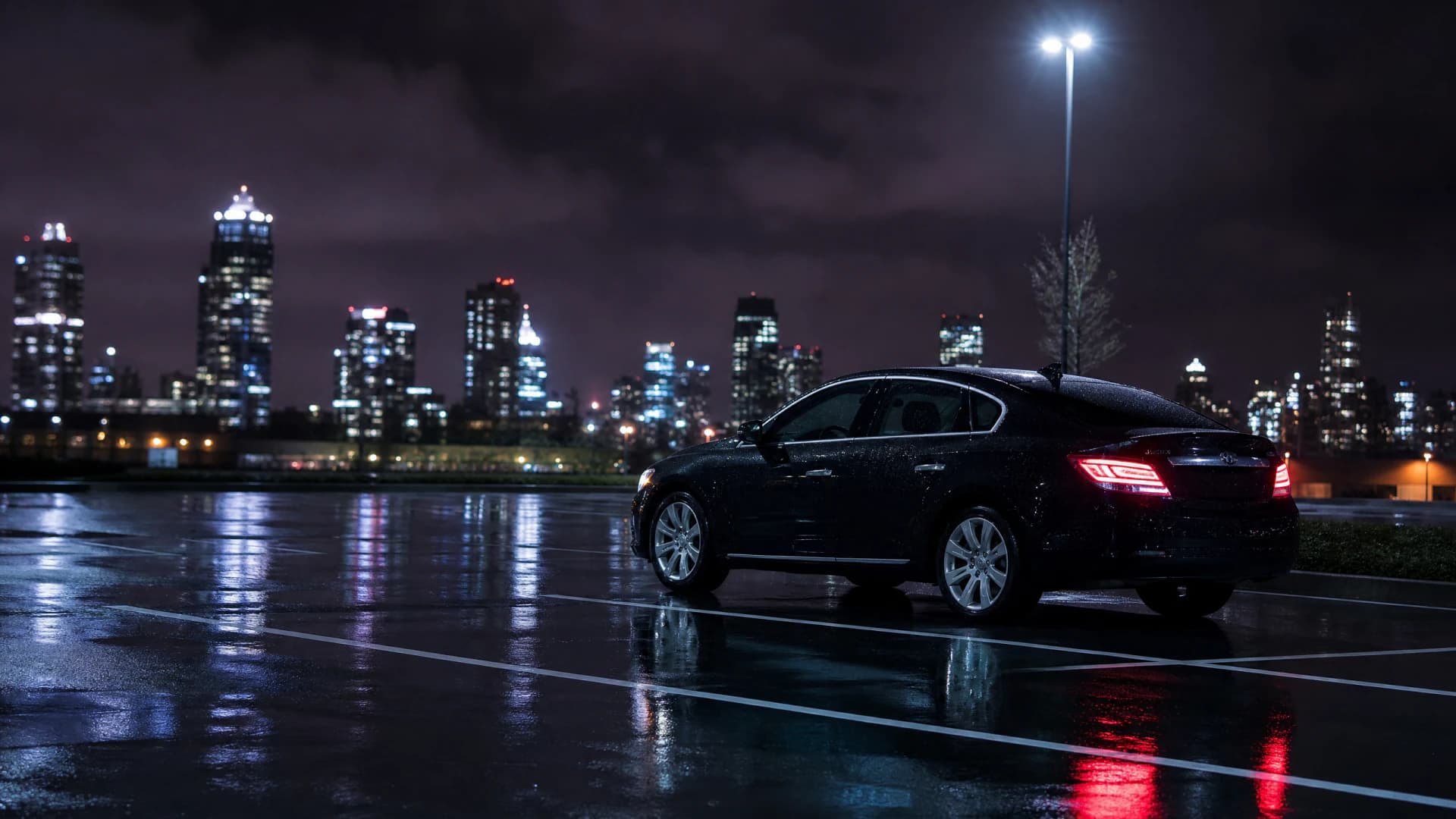
You cannot reinstate until you prove coverage for the suspension period plus one year forward. Buying insurance today does not erase the gap.



How Multiple Vehicles Complicate Reinstatement
If you own more than one vehicle, the SR-22 filing must cover every car registered in your name. North Dakota does not allow you to insure one vehicle and leave the others uninsured while your SR-22 period runs. Every vehicle you own must appear on a policy that meets the state's minimum coverage requirements, and the SR-22 certificate your insurer files must reflect that.
This creates a decision point for households with multiple cars. You can place all vehicles on one policy under your name and file a single SR-22, or you can split vehicles across policies if another household member is the primary driver of a second car. The second approach works only if the other driver holds their own policy and the vehicle is titled or registered in their name. If both cars are registered to you, both must sit on your SR-22 policy.
Switching carriers mid-SR-22 period is allowed, but the new carrier must file a replacement SR-22 with the state before your old policy cancels. If there is any gap between the cancellation of the old SR-22 and the filing of the new one, the state treats it as a lapse and suspends your license again. Coordinate the timing carefully with both carriers.
10.6%
North Dakota Uninsured Motorist Rate
Approximately 10.6% of North Dakota drivers are uninsured, according to 2023 data. This is why the state mandates uninsured motorist coverage and enforces SR-22 filing strictly after violations. The uninsured rate is lower than the national average, but enforcement is aggressive.
Insurance Research Council, 2023

What Happens If You Drive During Suspension
Driving while your license is suspended for an insurance violation is a separate criminal offense in North Dakota. If you are caught, the state extends your suspension period and may impose additional fines. The court can also order jail time for repeat offenses.
Your vehicle registration is also suspended when your license is suspended for driving without insurance. This means the car cannot be legally driven by anyone, even a household member with a valid license, until you complete reinstatement and the registration is restored. Law enforcement can impound a vehicle driven on a suspended registration.
Steps to Reinstate Your License
Contact an insurer that writes SR-22 policies in North Dakota and purchase a policy that meets the state's minimum liability limits plus personal injury protection and uninsured motorist coverage. The insurer will file the SR-22 certificate electronically with the NDDOT Driver License Division. Verify the filing was received before proceeding.
Pay the $50 reinstatement fee to the NDDOT Driver License Division. You can pay online, by mail, or in person at a driver's license site. Keep the receipt. If you owe court fines from the original violation, those must be paid separately to the court before the state will process reinstatement.
If you own multiple vehicles, confirm every car is listed on a policy that meets the state's requirements before you request reinstatement. The state will verify your SR-22 filing covers all registered vehicles. Once the fee is paid and the SR-22 is on file, the state will lift the suspension and restore your driving privilege. Your SR-22 filing period begins on the reinstatement date and runs for 12 months. Maintain continuous coverage without any lapses during that year, or the state will suspend your license again immediately.
The SR-22 Filing Requirement
The SR-22 is not a separate insurance product. It is a filing your insurer submits to the NDDOT Driver License Division confirming you hold a policy that meets North Dakota's minimum liability limits: $25,000 per person for bodily injury, $50,000 per accident for bodily injury, and $25,000 for property damage. The state also requires personal injury protection and uninsured motorist coverage, and your SR-22 policy must include both.
Not every carrier writes SR-22 policies. If your current insurer does not file SR-22 certificates in North Dakota, you will need to switch carriers before you can reinstate. Carriers that write SR-22 in North Dakota include Geico, Progressive, State Farm, Farmers, National General, The General, USAA, Bristol West, and Root.
Get Your Free Quote
Get My North Dakota Car Insurance QuoteFrequently Asked Questions
Can I get a hardship license in North Dakota if my license is suspended for no insurance?
Yes. North Dakota offers a Temporary Restricted License for drivers whose licenses are suspended, including suspensions for driving without insurance. You must apply in writing using form SFN 2254 and provide proof of financial responsibility, which means an SR-22 filing. The license restricts you to driving for employment, school, addiction treatment, or essential life-maintenance needs only.
How long does the SR-22 filing requirement last in North Dakota?
North Dakota requires SR-22 filing for one year after reinstatement following a suspension for driving without insurance. The one-year period begins on the date your license is reinstated, not the date of the violation. If your policy lapses during that year, the state suspends your license again and the SR-22 period restarts.
What are North Dakota's minimum car insurance requirements?
North Dakota requires $25,000 per person for bodily injury liability, $50,000 per accident for bodily injury liability, and $25,000 for property damage liability. The state also mandates personal injury protection and uninsured motorist coverage. Every vehicle registered in the state must carry at least these minimums.
Do I need SR-22 insurance for every car I own in North Dakota?
Yes. If you are required to file an SR-22 in North Dakota, every vehicle registered in your name must be covered by a policy that meets the state's minimum requirements. The SR-22 certificate your insurer files with the state must reflect coverage for all your vehicles. You cannot insure one car and leave others uninsured during the SR-22 period.
Can I switch insurance companies while I have an SR-22 filing in North Dakota?
Yes, but the new carrier must file a replacement SR-22 with the NDDOT before your old policy cancels. If there is any gap between the cancellation of the old SR-22 and the filing of the new one, the state treats it as a lapse and suspends your license again. Coordinate the timing with both carriers before making the switch.