
New North Dakota Resident Auto Insurance — North Dakota
Free to compare
What Happens to Your Current Policy When You Move to North Dakota
You moved to North Dakota with an active auto insurance policy from another state. That policy remains valid during your registration grace period, but only if it meets North Dakota's minimum coverage requirements. Most states do not mandate personal injury protection or uninsured-motorist coverage. North Dakota does. If your current policy lacks either, you are not compliant the moment you register your vehicles here, even if your out-of-state carrier is still billing you.
North Dakota requires $25,000 bodily injury per person, $50,000 bodily injury per accident, and $25,000 property damage liability. Beyond those minimums, the state mandates personal injury protection and uninsured-motorist coverage on every policy. Your out-of-state policy may carry the liability minimums but omit PIP or uninsured-motorist. That gap leaves you uninsured under North Dakota law, and your registration can be suspended if the state discovers it during a routine verification.
“North Dakota accepts out-of-state policies during registration, but only if the policy meets mandatory PIP and uninsured-motorist requirements most states do not impose.”

Find Coverage That Keeps You Legal in North Dakota
Get My North Dakota Car Insurance Quote$25,000 / $50,000 / $25,000
North Dakota Minimum Liability
North Dakota requires $25,000 bodily injury per person, $50,000 bodily injury per accident, and $25,000 property damage. These are the floor; PIP and uninsured-motorist coverage are mandatory on top of these limits.
North Dakota Department of Transportation
How Long Your Out-of-State Policy Remains Valid
North Dakota does not publish a statutory grace period for new residents to switch insurance. The state accepts out-of-state policies as proof of financial responsibility during vehicle registration, but only if those policies meet North Dakota's mandatory coverage requirements. If your policy does not include PIP and uninsured-motorist coverage, it does not satisfy state law the day you register.
Most carriers will not add North Dakota-specific mandatory coverages to an out-of-state policy. They will tell you to switch to a North Dakota policy. That switch triggers a policy-wide re-rate if you insure multiple vehicles, because the new policy prices every car under North Dakota's mandatory-coverage structure. The re-rate is not punitive; it reflects the cost of PIP and uninsured-motorist coverage across your household's vehicles.
If you delay the switch and the state discovers your policy lacks mandatory coverage during a routine verification, your registration can be suspended. The suspension applies to every vehicle registered under your name.
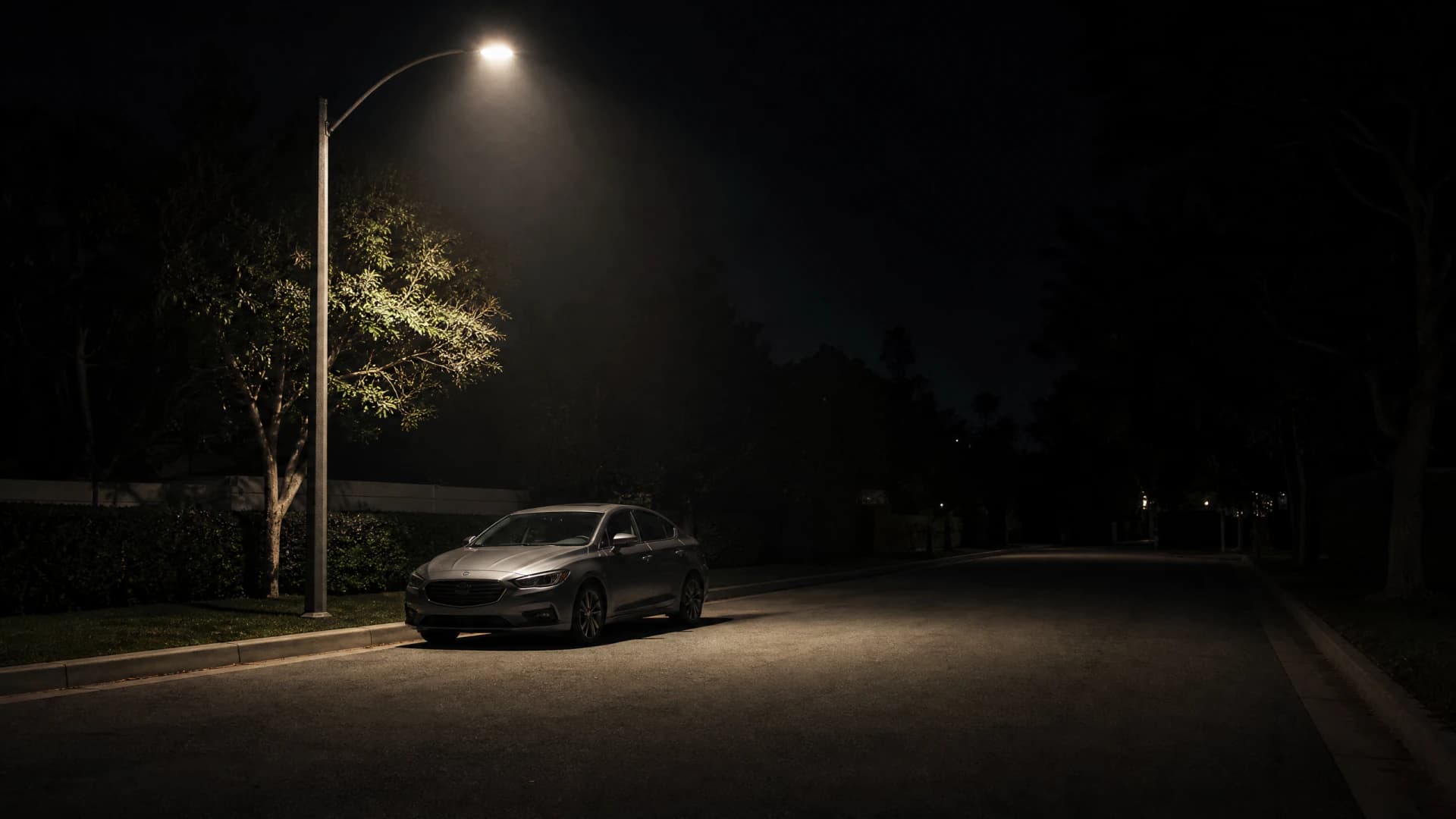
Your out-of-state policy is not compliant in North Dakota if it lacks PIP or uninsured-motorist coverage, even if it meets the liability minimums.


How Mandatory PIP and Uninsured-Motorist Coverage Affect Multi-Vehicle Households
North Dakota's mandatory PIP and uninsured-motorist requirements re-price your policy at the household level, not per vehicle. If you insure three cars, the cost of adding PIP and uninsured-motorist coverage does not simply triple. Carriers price those coverages across the entire policy, and the multi-car discount applies after the mandatory coverages are priced in. The result: adding a second or third vehicle to a North Dakota policy costs less than adding the same vehicle to a policy in a state without mandatory PIP.
Some carriers structure multi-car policies more efficiently than others under North Dakota's mandatory-coverage rules. A carrier that prices PIP and uninsured-motorist coverage as flat per-policy amounts rather than per-vehicle multipliers will produce a lower total premium for households with three or more cars. You cannot identify that structure from a single-vehicle quote. You must compare total policy cost across all your vehicles to see which carrier prices the mandatory coverages most efficiently for your household.
If your out-of-state policy already includes PIP and uninsured-motorist coverage, switching to a North Dakota policy may not increase your premium significantly. If your out-of-state policy lacks those coverages, expect the North Dakota policy to cost more, because you are adding mandatory coverages that were optional or unavailable in your previous state. The increase reflects the coverage, not a North Dakota surcharge.
18 carriers
North Dakota Licensed Auto Carriers
Eighteen carriers are licensed to write auto insurance in North Dakota, including both preferred-tier and non-standard writers. Not all write multi-vehicle policies efficiently; compare total policy cost across your household's vehicles to identify the carrier that prices mandatory PIP and uninsured-motorist coverage most favorably for your situation.
Which Carriers Write Multi-Vehicle Policies in North Dakota
Eighteen carriers are licensed to write auto insurance in North Dakota. Not all write multi-vehicle policies, and not all that do structure the multi-car discount the same way. State Farm, Geico, Progressive, Allstate, American Family, Farmers, and USAA all write multi-vehicle policies in North Dakota and offer multi-car discounts. The discount applies only when every vehicle sits on the same policy, and the policy must meet North Dakota's mandatory PIP and uninsured-motorist requirements for every car.
Some carriers require all vehicles to be garaged at the same address to qualify for the multi-car discount. If you own a vehicle garaged at a second address—a college student's car, a work vehicle parked at a job site, or a recreational vehicle stored off-property—ask the carrier whether that vehicle qualifies for the same-policy discount. Some carriers allow it; others do not. If the carrier excludes the second-address vehicle from the discount, you may pay less by placing that vehicle on a separate policy.
What to Do Right Now
Call your current carrier and confirm whether your policy includes personal injury protection and uninsured-motorist coverage. If it does not, ask whether the carrier writes North Dakota policies and can add those coverages. If your carrier does not write in North Dakota, compare quotes from carriers licensed in the state. Request quotes for all your vehicles on one policy to capture the multi-car discount, and verify that every quote includes North Dakota's mandatory PIP and uninsured-motorist coverage. Once you select a carrier, the carrier files proof of insurance electronically with the state, and you can register your vehicles immediately.
What You Must Do Before Registering Your Vehicles
Contact your current carrier and ask whether your policy includes personal injury protection and uninsured-motorist coverage. If it does not, ask whether the carrier writes North Dakota policies and can add those coverages. Most national carriers write in North Dakota, but some will require you to start a new policy rather than amend your existing one. If your carrier does not write in North Dakota, you must switch carriers before registering your vehicles.
When you obtain a North Dakota policy, the carrier files proof of insurance electronically with the state. North Dakota accepts electronic filings from all licensed carriers. You do not need a paper insurance card to register, but you should carry proof in your vehicle. If you insure multiple vehicles, every car on your policy must meet the same mandatory-coverage requirements. The multi-car discount applies only when all vehicles sit on one policy, and that policy must include PIP and uninsured-motorist coverage for every car.
Get Your Free Quote
Get My North Dakota Car Insurance QuoteFrequently Asked Questions
Can I keep my out-of-state auto insurance after moving to North Dakota?
You can keep your out-of-state policy only if it includes personal injury protection and uninsured-motorist coverage, which North Dakota mandates. Most out-of-state policies lack one or both. If your policy does not meet North Dakota's mandatory-coverage requirements, you must obtain a North Dakota policy before registering your vehicles.
How long do I have to switch to a North Dakota auto insurance policy?
North Dakota does not publish a statutory grace period for new residents. Your out-of-state policy remains valid only if it meets North Dakota's mandatory PIP and uninsured-motorist requirements. If it does not, you must switch before registering your vehicles, or your registration can be suspended.
Does North Dakota require personal injury protection on every auto insurance policy?
Yes. North Dakota mandates personal injury protection and uninsured-motorist coverage on every auto insurance policy, in addition to the state's $25,000/$50,000/$25,000 liability minimums. If your out-of-state policy lacks PIP or uninsured-motorist coverage, it does not meet North Dakota law.
Will my auto insurance cost more in North Dakota than in my previous state?
If your previous state did not mandate PIP or uninsured-motorist coverage, your North Dakota policy will cost more because you are adding mandatory coverages. If your out-of-state policy already included those coverages, the cost difference may be minimal. Compare total policy cost across all your vehicles to identify the carrier that prices North Dakota's mandatory coverages most efficiently for your household.
Do all North Dakota auto insurance carriers offer multi-car discounts?
Most carriers licensed in North Dakota offer multi-car discounts, but the discount applies only when every vehicle sits on the same policy and meets North Dakota's mandatory PIP and uninsured-motorist requirements. Some carriers require all vehicles to be garaged at the same address. Compare total policy cost across your household's vehicles to see which carrier structures the discount most favorably.
What happens if I register my vehicles in North Dakota without meeting the state's mandatory coverage requirements?
If the state discovers your policy lacks mandatory PIP or uninsured-motorist coverage during a routine verification, your registration can be suspended. The suspension applies to every vehicle registered under your name.