
Minimum Coverage vs Full Coverage — North Dakota
Free to compare
The Multi-Vehicle Minimum Coverage Question
You own two or more vehicles in North Dakota. You're comparing quotes and the minimum-coverage option costs significantly less per vehicle than full coverage. The question: is meeting the state's liability floor enough when you're insuring multiple cars on one policy, or does the household structure change the math?
The structural reality most households miss is that liability coverage protects your assets, not just one car. When you insure multiple vehicles on a single policy, one at-fault crash involving any car on that policy can trigger a claim against your household's combined assets. The minimum limits North Dakota requires apply per accident, not per vehicle, and a serious crash can exhaust those limits in minutes.
“One at-fault crash involving any vehicle on your policy can exhaust minimum liability limits and expose your household's savings and home equity to a lawsuit.”
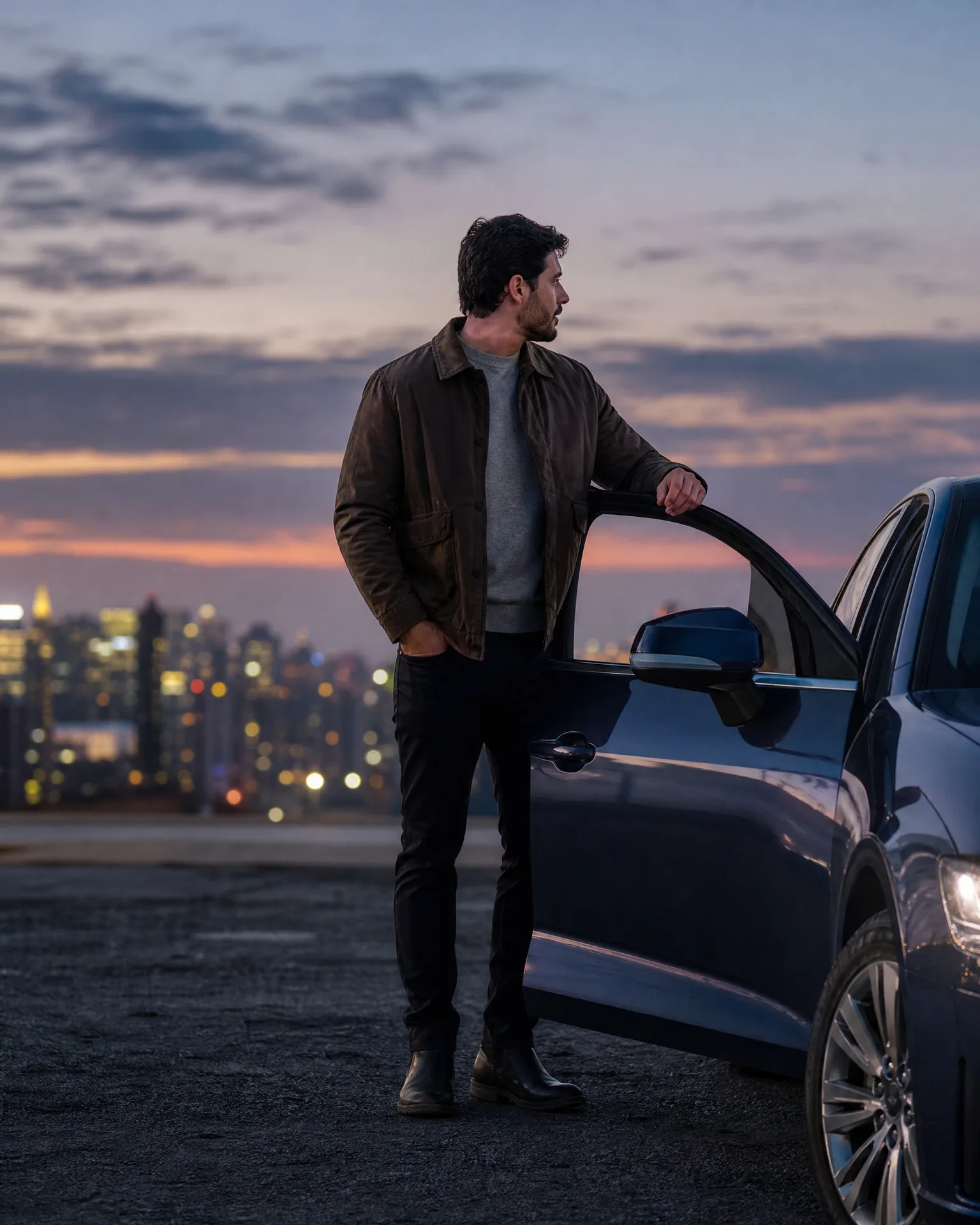
Find Coverage That Keeps You Legal in North Dakota
Get My North Dakota Car Insurance Quote$25,000/$50,000/$25,000
North Dakota Liability Minimums
North Dakota requires $25,000 bodily injury per person, $50,000 bodily injury per accident, and $25,000 property damage. These are the lowest amounts you can carry to register and legally drive any vehicle in the state.
North Dakota Department of Transportation
What Minimum Coverage Actually Covers Across Multiple Vehicles
Minimum coverage in North Dakota means liability-only insurance: bodily injury and property damage coverage at the state's required limits, plus personal injury protection and uninsured motorist coverage, both mandated by state law. It does not include collision or comprehensive coverage, so damage to your own vehicles is not covered regardless of fault.
When you insure multiple vehicles on one policy with minimum coverage, each car is listed on the policy but the liability limits apply per accident, not per vehicle. If your household member causes a crash in one of your cars and the damages exceed $50,000 in bodily injury, the policy pays up to that limit and you are personally liable for the rest. The fact that you own three cars instead of one does not increase the per-accident limit.
The exposure grows with the number of drivers and vehicles in your household. More cars means more opportunities for an at-fault crash. More drivers means more variability in risk. A household with two vehicles and two drivers has twice the crash exposure of a single-car household, but the same $50,000 bodily injury limit per accident if both carry minimum coverage.
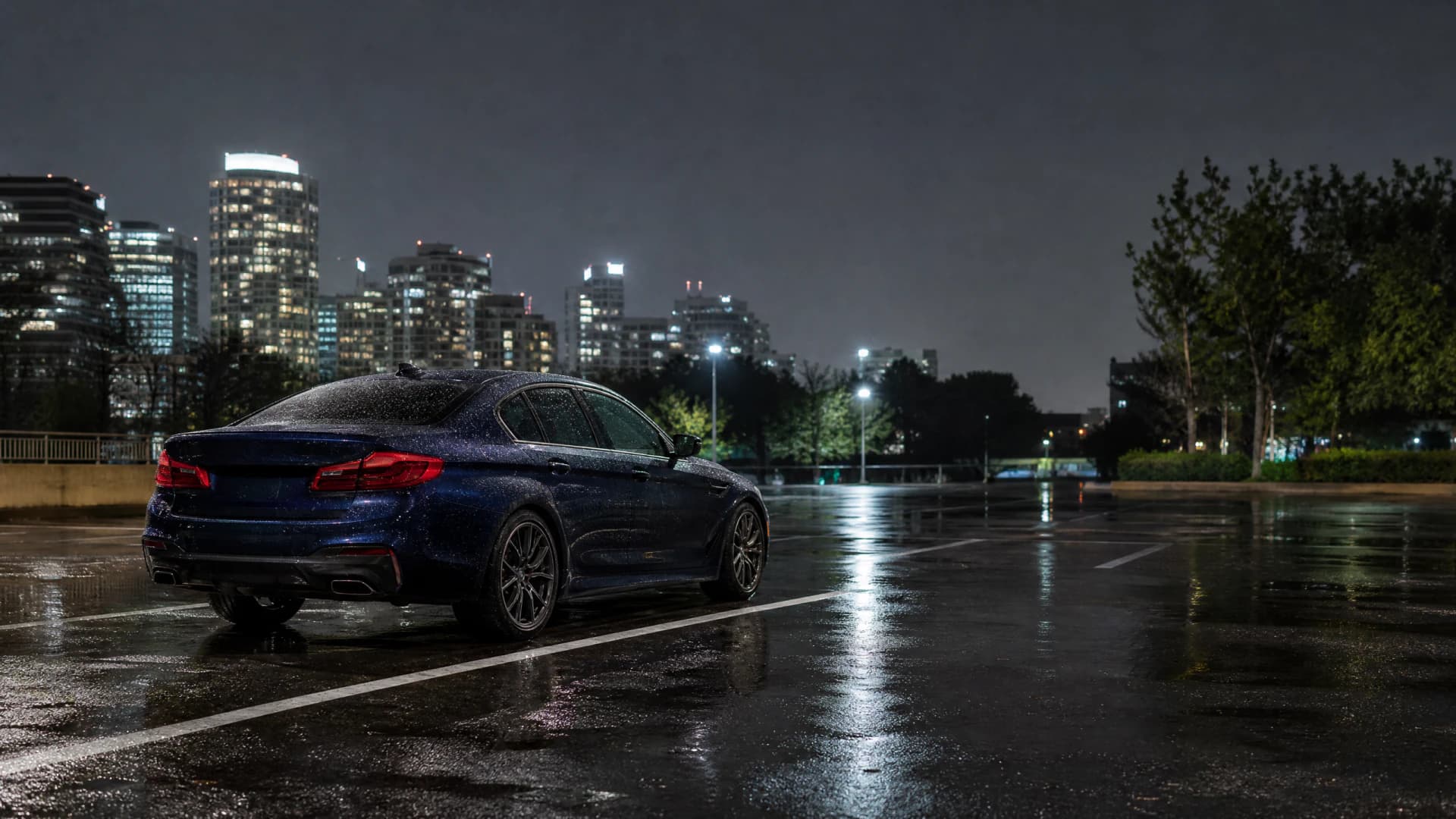
One at-fault crash involving any vehicle on your policy can exhaust minimum liability limits and expose your household's savings, home equity, and future wages to a lawsuit.
Related Articles

When Full Coverage Becomes the Better Structure
Full coverage adds collision and comprehensive to the liability base, protecting your own vehicles in addition to covering damages you cause. For households insuring multiple vehicles, full coverage makes sense when the combined value of those vehicles justifies the added premium, or when the household's total assets create liability exposure that minimum limits cannot adequately cover.
A household with two financed vehicles is typically required by the lender to carry full coverage on both. The collision and comprehensive deductibles are chosen per vehicle, so you can structure higher deductibles on one car and lower on another to manage the total premium.
The liability component of full coverage can also be increased above the state minimums. A household with home equity, retirement savings, or two working adults has more to lose in a lawsuit than a household with minimal assets, and higher liability limits reduce that exposure.
North Dakota's uninsured motorist rate is 10.6 percent. That means roughly one in ten drivers on the road carries no insurance or inadequate coverage. When you insure multiple vehicles, the probability that one of your household's cars will be hit by an uninsured driver increases with the number of vehicles and drivers. Full coverage policies typically include uninsured and underinsured motorist coverage at higher limits than the state minimum, protecting your household when the at-fault driver cannot pay.
10.6%
North Dakota Uninsured Motorist Rate
One in ten drivers in North Dakota carries no insurance or inadequate coverage. Households with multiple vehicles face higher probability of a crash with an uninsured driver simply because more cars and drivers increase exposure.
Insurance Information Institute, 2023
Structuring Coverage Across Multiple Vehicles on One Policy
When you insure two or more vehicles on a single policy, you can mix coverage levels per vehicle. The liability limits apply to the entire policy, but collision and comprehensive are chosen per vehicle. A common structure: full coverage on the primary vehicle, liability-only on the secondary vehicle. This keeps the rarely-driven car legally insured while concentrating the collision and comprehensive premium on the car with the highest crash and theft exposure.
Carriers writing multi-vehicle policies in North Dakota include State Farm, Geico, Progressive, Allstate, Farmers, and USAA. Each carrier structures the multi-car discount differently, and the discount applies to the total policy premium, not per vehicle. Comparing quotes requires requesting the same coverage structure across all vehicles so the comparison reflects the carrier's pricing, not a difference in coverage.
Compare Carriers for Your Household's Vehicle Count
The decision between minimum and full coverage is not abstract. It depends on your household's vehicle values, asset exposure, and the specific premium difference between the two structures. Request quotes from multiple carriers for both minimum and full coverage on all your vehicles. The premium difference is often smaller than expected, especially when the multi-car discount applies.
Compare the same coverage limits and deductibles across carriers. A lower premium with minimum coverage from one carrier may still leave you underinsured compared to a modestly higher premium with full coverage from another. The goal is not the lowest premium; it is the coverage structure that protects your household's vehicles and assets at a sustainable cost. Start by requesting quotes for your specific vehicle count and driver profile from carriers licensed in North Dakota.
When Minimum Coverage Makes Sense for Multiple Vehicles
The risk is that a serious at-fault crash will exceed the liability limits, but the household has limited assets a judgment creditor could reach.
Minimum coverage also fits households where one or more vehicles are rarely driven. A car used only for errands a few times per month has lower crash exposure than a daily commuter vehicle. Insuring that low-use car with minimum coverage while carrying full coverage on the primary vehicle is a common structure. The key is that the rarely-driven car must still carry the state's minimum liability limits to remain legally registered.
Get Your Free Quote
Get My North Dakota Car Insurance QuoteFrequently Asked Questions
Does North Dakota require full coverage on all vehicles?
No. North Dakota requires only liability insurance at minimum limits of $25,000/$50,000/$25,000, plus personal injury protection and uninsured motorist coverage. Full coverage is required only if you finance or lease a vehicle and the lender mandates it.
Can I carry minimum coverage on one car and full coverage on another?
Yes. When you insure multiple vehicles on one policy, you can choose collision and comprehensive per vehicle. The liability limits apply to the entire policy, but you can structure full coverage on your primary car and liability-only on a secondary vehicle.
What happens if I cause a crash that exceeds North Dakota's minimum liability limits?
You are personally liable for damages above the policy limit. The injured party can pursue your household's assets, including savings, home equity, and wages.
Does insuring more vehicles increase my liability coverage limits?
No. Liability limits apply per accident, not per vehicle. A household with three cars on one policy has the same per-accident liability limit as a household with one car, unless you choose to increase the limits when structuring the policy.
How much does full coverage cost for two vehicles in North Dakota?
Premium depends on vehicle values, driver ages, coverage limits, and deductibles. Compare quotes from multiple carriers for your specific household. The multi-car discount typically reduces the per-vehicle cost when you insure two or more cars on one policy.