
Rental Reimbursement Coverage — North Dakota
Free to compare
When Rental Coverage Sits on Every Vehicle
You added rental reimbursement when you bought your first car, then carried it forward to the second and third vehicles as you built the household policy. Now you are paying for rental coverage on three cars, but a claim only puts one vehicle in the shop at a time. The other two sit in your driveway while you drive the rental.
Rental reimbursement is sold per vehicle, not per policy. Each car on your North Dakota policy carries its own rental endorsement with its own premium. When one vehicle is in the shop after a covered claim, the rental benefit attached to that specific car activates. The rental coverage on your other vehicles does nothing during that claim because those cars are not being repaired.
“Rental reimbursement on every vehicle means paying for coverage you cannot use simultaneously.”
Find Coverage That Keeps You Legal in North Dakota
Get My North Dakota Car Insurance Quote$25,000 / $50,000 / $25,000
North Dakota Minimum Liability
North Dakota requires $25,000 bodily injury per person, $50,000 per accident, and $25,000 property damage. Rental reimbursement is optional and sits on top of these mandated coverages.
North Dakota Department of Transportation
How Rental Reimbursement Works Across Multiple Vehicles
Rental reimbursement pays a daily rate and a total claim limit when your vehicle is in the shop for a covered claim under collision or comprehensive. The coverage attaches to the specific vehicle listed on the endorsement.
When you carry rental coverage on three vehicles, you are paying three separate premiums for three separate benefits that cannot be used at the same time. If your sedan is totaled and you need a rental for two weeks while you shop for a replacement, only the rental endorsement on the sedan pays. The rental coverage on your SUV and truck sit idle because those vehicles are not part of the claim.
This structure creates a mismatch for multi-car households. You pay for redundant coverage across vehicles that will never generate simultaneous rental needs under normal claim scenarios. The exception is a multi-vehicle accident where more than one of your cars is damaged in the same incident, but that scenario is rare enough that it does not justify carrying rental coverage on every vehicle for most households.
Rental reimbursement on every vehicle means paying for coverage you cannot use simultaneously. Most multi-car households need it on one or two cars, not all of them.
Related Articles



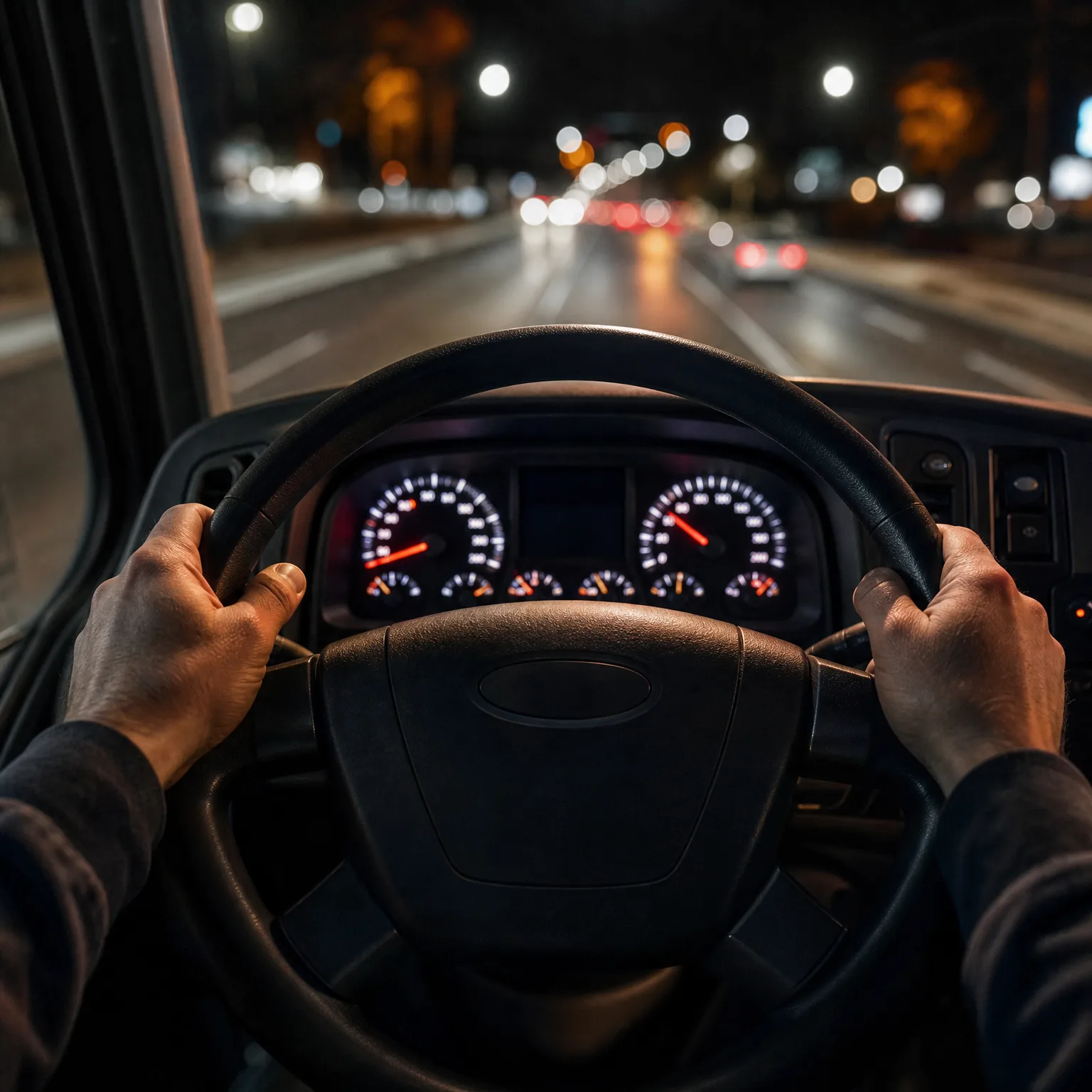

When a Household Needs No Rental Coverage at All
Some multi-car households do not need rental reimbursement on any vehicle. If you own more cars than drivers, you have a built-in backup for every daily driver. When one car goes into the shop, another car in the household replaces it without requiring a rental.
This applies to households with three or more vehicles and two drivers, or four vehicles and three drivers. The math is simple: as long as the number of drivable vehicles exceeds the number of people who need to drive simultaneously, a rental becomes unnecessary. The coverage premium you save by dropping rental reimbursement from every vehicle can go toward higher liability limits or lower deductibles on collision and comprehensive.
The exception is a scenario where multiple vehicles are damaged in the same incident, or where a totaled vehicle creates a gap while you shop for a replacement and your remaining cars are all in daily use. For most households, these scenarios are rare enough that self-insuring the rental cost makes more financial sense than paying ongoing premiums for coverage that sits unused year after year.
10.6%
North Dakota Uninsured Motorist Rate
Approximately 10.6% of North Dakota drivers carry no insurance. Uninsured motorist coverage is mandatory in North Dakota and protects you when an at-fault driver has no policy, but it does not provide rental reimbursement unless you add that coverage separately.
Insurance Information Institute, 2023
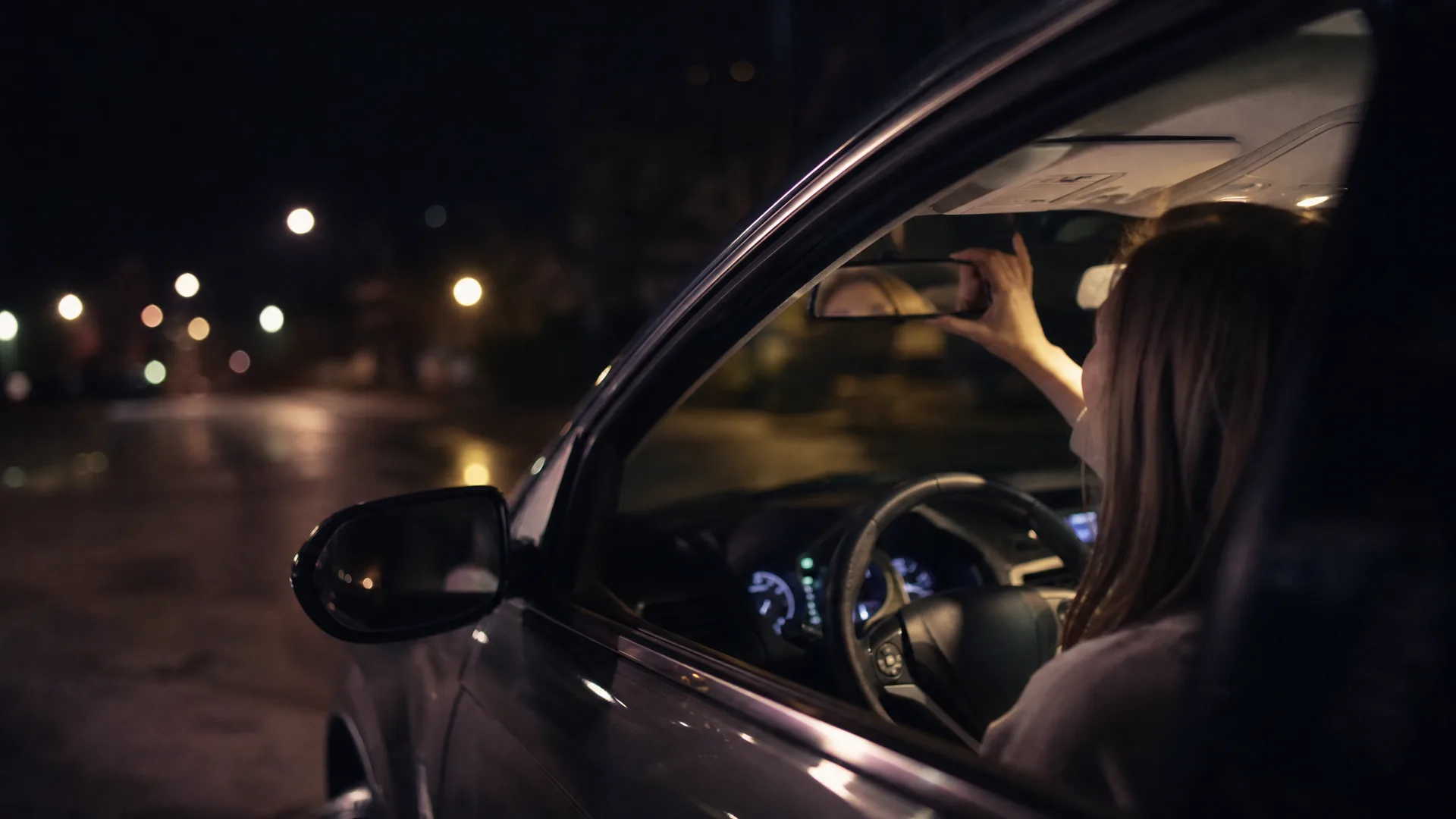
Adjusting Rental Coverage When You Add or Remove a Vehicle
Adding a vehicle to your North Dakota policy triggers a re-rating of the entire policy, and carriers typically offer rental reimbursement as an add-on during that transaction. If the new vehicle becomes a daily driver, rental coverage makes sense. If it serves as a household backup, decline the endorsement and keep rental coverage only on the cars you cannot do without.
Removing a vehicle creates the opposite decision. If you are dropping a car that carried rental reimbursement and your household no longer has a backup, consider adding rental coverage to one of the remaining vehicles. If the removed vehicle was the backup and your remaining cars are all daily drivers, you may now need rental coverage on at least one of them because you no longer have a built-in replacement when a claim happens.
Compare Carriers That Write Multi-Car Policies in North Dakota
Rental reimbursement pricing varies by carrier, and some insurers offer higher daily limits or longer claim windows than others. Allstate, American Family, Farmers, Geico, Liberty Mutual, Nationwide, Progressive, State Farm, and USAA all write multi-car policies in North Dakota and offer rental coverage as an optional endorsement. Compare how each structures the benefit and what the per-vehicle premium adds to your total policy cost.
Request quotes with rental coverage on only the vehicles that need it. A side-by-side comparison will show you exactly how much you save by dropping the endorsement from backup vehicles. The difference often covers the cost of a rental out of pocket for the rare claim where you actually need one, making the coverage premium a poor value for households with multiple cars.
Which Vehicles Should Carry Rental Coverage
Put rental reimbursement on the vehicle you drive to work, school, or other non-negotiable daily commitments. If that car goes into the shop, you need a replacement immediately because your household cannot function without it. A second daily driver used by another household member falls into the same category. These are the vehicles where a rental becomes necessary the moment a claim happens.
Drop rental coverage from vehicles that serve as household backups. If you own three cars but only two are driven daily, the third car is your built-in rental. When the primary vehicle is in the shop, you drive the backup. Paying for rental reimbursement on the backup vehicle makes no sense because that car exists to solve the exact problem rental coverage addresses.
Get Your Free Quote
Get My North Dakota Car Insurance QuoteFrequently Asked Questions
Does rental reimbursement cover all vehicles on my policy?
No. Rental reimbursement is sold per vehicle, not per policy. Only the vehicle listed on the rental endorsement generates a rental benefit when that specific car is in the shop for a covered claim. Coverage on your other vehicles does not activate during that claim.
Can I use rental coverage from one car when a different car is being repaired?
No. The rental benefit is tied to the specific vehicle being repaired. If your sedan is in the shop and only your truck carries rental reimbursement, you receive no rental benefit because the claim is against the sedan, not the truck.
Should I carry rental reimbursement on a vehicle I rarely drive?
No. Rental coverage makes sense only on vehicles you depend on daily. A car you drive occasionally or keep as a household backup does not justify the ongoing premium because that vehicle already serves as your replacement when another car is in the shop.
What happens if two of my vehicles are damaged in the same accident?
If both vehicles carry rental reimbursement, both endorsements activate and you can claim rental benefits for two vehicles simultaneously. This scenario is rare, and most multi-car households do not experience it often enough to justify carrying rental coverage on every car.
How much does rental reimbursement cost on a multi-car policy in North Dakota?
Cost varies by carrier, vehicle, and the daily limit you select. Request quotes from carriers writing in North Dakota to see the per-vehicle premium and compare whether the cost justifies the benefit for your household.
Do I need rental coverage if I own more cars than drivers?
Typically no. If you own more vehicles than people who need to drive simultaneously, you have a built-in backup when one car goes into the shop. Rental reimbursement becomes redundant because another household vehicle already solves the transportation gap the coverage is designed to address.