
Car Insurance Rates — North Dakota
Free to compare
Why Adding a Vehicle Changes Your Entire Policy Cost
You added a second car to your North Dakota policy and the premium jumped more than you expected. You assumed the new vehicle would add a flat amount—maybe the single-car rate you saw online—but instead the entire policy re-rated. That is not a billing error. North Dakota requires personal injury protection and uninsured-motorist coverage on every vehicle, and when you add a car, the carrier re-prices those mandates across the whole policy, not just the new vehicle.
The multi-car discount applies to the total premium after the mandatory coverages are priced in. That means the discount percentage you see advertised does not translate directly to dollars saved, because the base premium includes state-required PIP and uninsured-motorist protection that re-rate when household structure changes. A household with three vehicles on one policy pays a different total than three separate single-car policies, even when the liability limits are identical.
“The multi-car discount applies after PIP and uninsured-motorist coverage are re-priced for every vehicle—not to each car individually.”

Find Coverage That Keeps You Legal in North Dakota
Get My North Dakota Car Insurance Quote$925.08
ND Annual Per-Vehicle Expenditure
North Dakota drivers spent an average of $925.08 per insured vehicle in 2023, according to NAIC data. That figure reflects all coverages combined—liability, PIP, uninsured motorist, collision, and comprehensive—and varies widely by household vehicle count and policy structure.
NAIC Auto Insurance Database Report 2023
How North Dakota's Mandatory Coverage Requirements Price Across Multiple Vehicles
North Dakota law requires $25,000 bodily injury per person, $50,000 per accident, and $25,000 property damage on every registered vehicle. Beyond those liability minimums, the state mandates personal injury protection and uninsured-motorist coverage. Those two mandates are not optional add-ons—they are part of the base policy structure, and they re-price when you add or remove a vehicle.
When you insure one car, the carrier prices PIP and uninsured-motorist coverage for that single vehicle and the drivers listed on the policy. When you add a second car, the carrier re-calculates those coverages for two vehicles and the same driver pool. The multi-car discount applies after that re-calculation, not before. That is why adding a vehicle does not simply add a flat amount to your bill—it re-structures the entire policy premium.
A household with four vehicles on one policy qualifies for a larger multi-car discount than a household with two, but the discount applies to a higher base premium because PIP and uninsured-motorist coverage now protect four vehicles instead of two. The total cost depends on whether the discount percentage offsets the increased mandatory-coverage base. Carriers structure that trade-off differently, which is why the cheapest single-car carrier is not always the cheapest multi-car carrier.
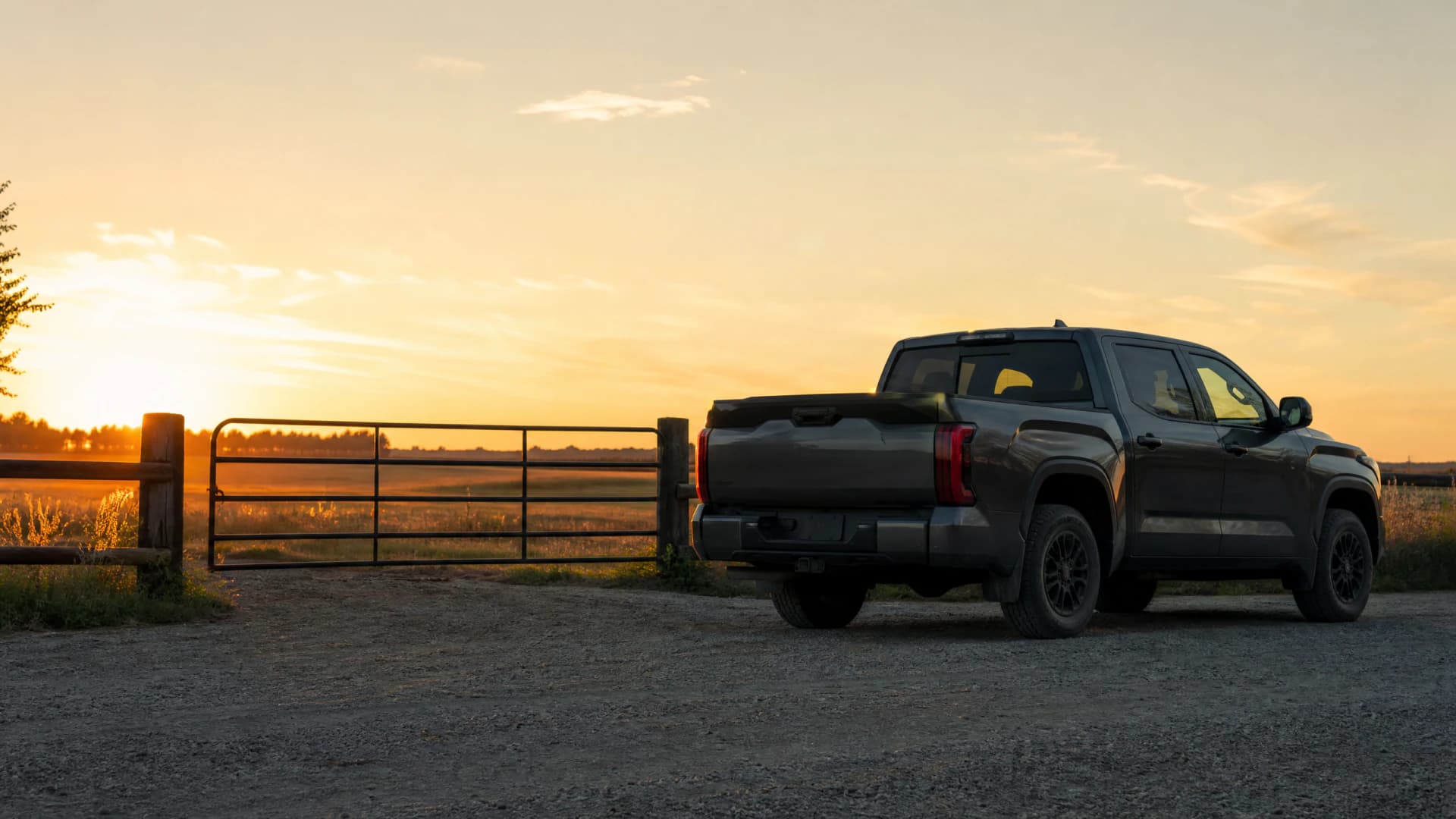
The multi-car discount applies to the total policy premium after mandatory PIP and uninsured-motorist coverage are priced across every vehicle—not to each vehicle individually.


How Carriers Structure Multi-Car Policies in North Dakota
Eighteen carriers write auto insurance in North Dakota, and they structure multi-car policies differently. North Dakota accepts both preferred-tier and non-standard writers, and the carrier that offers the lowest single-car rate does not always offer the lowest multi-car rate. Preferred-tier carriers such as State Farm, USAA, and Allstate typically price PIP and uninsured-motorist coverage more efficiently for households with multiple vehicles, but they require clean driving records and higher credit tiers. Non-standard carriers such as Bristol West and The General write policies for drivers with violations or lapses, but their multi-car discounts are smaller because the base premium already reflects higher risk.
The multi-car discount requires every vehicle to sit on the same policy. A household with three cars split across two policies—one policy for two cars, another for the third—does not qualify for the three-car discount. The discount applies only when all vehicles share one policy number. That same-policy requirement also means every vehicle must be garaged at the same address. A car titled to a household member but garaged elsewhere typically cannot be added to the family policy, which blocks the multi-car discount for that vehicle.
Some carriers allow you to add a vehicle mid-term without re-rating the entire policy until renewal. Others re-rate immediately when you add a car, which means the premium increase appears on your next bill rather than at renewal. That timing difference matters when you are deciding whether to add a newly-purchased vehicle to your existing policy or start a new one. Most carriers give you a grace period—typically 14 to 30 days—to report a new vehicle and add it to your policy without a coverage gap, but the premium adjustment happens as soon as the vehicle is added, not at renewal.
18
Licensed Carriers in ND
Eighteen carriers write auto insurance in North Dakota, including both preferred-tier writers such as State Farm and USAA and non-standard carriers such as Bristol West and The General. Not all carriers write multi-car policies with the same discount structure, and some require clean driving records to qualify for the multi-car discount.
North Dakota Insurance Department carrier roster
When the Multi-Car Discount Does Not Lower Your Premium
The multi-car discount applies to the total policy premium, but it does not always lower your bill when you add a vehicle. If the newly-added car is a high-value vehicle, a sports car, or a vehicle driven by a young driver, the increased base premium for that vehicle can exceed the discount percentage applied to the total. A household adding a fourth vehicle driven by a 17-year-old will see a premium increase even with the multi-car discount, because the young-driver surcharge and the vehicle's higher physical-damage cost outweigh the discount.
The same thing happens when you add a vehicle with a loan or lease. Lenders require collision and comprehensive coverage, and those coverages increase the base premium before the multi-car discount is applied. A household that previously insured two older vehicles with liability-only coverage will see a larger premium jump when adding a financed third vehicle, because the collision and comprehensive premiums for that vehicle are added to the policy base before the discount is calculated.
Compare Carriers That Write Your Household's Vehicle Count
The cheapest multi-car policy is not the carrier with the lowest advertised rate—it is the carrier that prices North Dakota's mandatory PIP and uninsured-motorist coverage most efficiently for your household's vehicle count and driver pool. A carrier that offers a steep multi-car discount but prices PIP coverage high may cost more than a carrier with a smaller discount and a lower mandatory-coverage base. You cannot know which carrier structures your household's policy most efficiently without comparing quotes that reflect your actual vehicle count, driver ages, and coverage selections.
Request quotes from at least three carriers that write multi-car policies in North Dakota. Provide the same vehicle count, driver information, and coverage limits to each carrier so the quotes are comparable. Compare the total policy premium, not the per-vehicle breakdown, because the multi-car discount and mandatory-coverage pricing happen at the policy level. The carrier that quotes the lowest total for your household's three or four vehicles is the one that structures multi-car policies most efficiently for your situation, regardless of what their single-car rate looks like.
What Determines Total Cost When You Add a Vehicle
Start with the mandatory-coverage base. North Dakota requires PIP and uninsured-motorist coverage on every vehicle, and carriers price those coverages at the policy level. When you add a third or fourth car, the carrier re-prices PIP and uninsured motorist to cover the expanded vehicle pool. That re-pricing happens before the multi-car discount is applied, which is why the discount does not reduce your premium by the same dollar amount every time you add a vehicle.
Next, the carrier applies the multi-car discount to the total policy premium. The discount percentage increases as you add vehicles—most carriers offer a larger discount for three cars than for two—but the base premium also increases because more vehicles mean higher mandatory-coverage costs. Whether the discount offsets the increased base depends on how the carrier structures its multi-car pricing. Some carriers apply a steeper discount to households with three or more vehicles; others price PIP and uninsured-motorist coverage more efficiently at the policy level, which lowers the base before the discount is applied.
Get Your Free Quote
Get My North Dakota Car Insurance QuoteFrequently Asked Questions
Does North Dakota require the same coverage on every vehicle on a multi-car policy?
North Dakota requires $25,000/$50,000/$25,000 liability, personal injury protection, and uninsured-motorist coverage on every registered vehicle. You can choose different collision and comprehensive deductibles for each vehicle, but the state-mandated coverages apply to every car on the policy.
Can I add a vehicle to my North Dakota policy mid-term without increasing my premium until renewal?
Most carriers re-rate your policy immediately when you add a vehicle, so the premium increase appears on your next bill rather than at renewal. Some carriers allow you to add a vehicle mid-term and defer the re-rate until renewal, but that is carrier-specific—ask before you add the car.
Does the multi-car discount apply if I have two separate policies with the same carrier?
No. The multi-car discount requires every vehicle to sit on the same policy number. Two separate policies with the same carrier do not qualify for the multi-car discount, even if both policies are in your name.
What happens to my multi-car discount if I remove a vehicle from my North Dakota policy?
Removing a vehicle triggers a policy-wide re-rate. If you drop from three vehicles to two, your multi-car discount percentage decreases, and the carrier re-prices PIP and uninsured-motorist coverage for the remaining two vehicles. Your total premium will drop, but not by the full amount of the removed vehicle's premium.
Can I insure a vehicle garaged at a different address on my North Dakota multi-car policy?
Most carriers require every vehicle on a multi-car policy to be garaged at the same address. A vehicle garaged elsewhere—such as a car a college-age child drives at school—typically cannot be added to the family policy, which blocks the multi-car discount for that vehicle.
How do I know which North Dakota carrier offers the best multi-car discount for my household?
Request quotes from at least three carriers that write multi-car policies in North Dakota. Provide the same vehicle count, driver information, and coverage limits to each carrier, then compare the total policy premium. The carrier with the lowest total for your household's vehicle count structures multi-car policies most efficiently for your situation.