
Cheapest Full Coverage Car Insurance — North Dakota
Free to compare
Why Base Rates Miss the Full Picture
You are comparing full-coverage quotes for two or three cars and the carrier with the lowest advertised base rate is not coming back cheapest once PIP and uninsured-motorist coverage are added. North Dakota requires both on every vehicle, and those mandates re-price the entire policy—not just the car you are adding. The carrier with the lowest liability rate may price PIP at a higher per-vehicle cost, erasing the savings before you reach checkout.
Full coverage in North Dakota means collision, comprehensive, and the state's mandatory liability minimums: $25,000 bodily injury per person, $50,000 per accident, and $25,000 property damage. PIP and uninsured-motorist coverage sit on top of those minimums, and every vehicle on your policy carries them. The total premium reflects how each carrier prices those mandates across your household's cars, not just the base rate you saw in the comparison tool.
“The carrier with the lowest base rate may price PIP higher per vehicle, erasing the savings before you reach checkout.”

Find Coverage That Keeps You Legal in North Dakota
Get My North Dakota Car Insurance Quote$25,000 / $50,000 / $25,000
North Dakota Minimum Liability
North Dakota requires $25,000 bodily injury per person, $50,000 per accident, and $25,000 property damage on every vehicle. PIP and uninsured-motorist coverage are mandatory additions.
North Dakota Department of Transportation
How Mandatory PIP and Uninsured-Motorist Coverage Change the Comparison
PIP and uninsured-motorist coverage are not optional add-ons in North Dakota. Every vehicle on your policy must carry them, and carriers price them differently. A carrier offering a low collision rate may charge more for PIP per vehicle, and when you are insuring three cars, that per-vehicle difference compounds across the policy. The cheapest total premium is the one that balances all coverage components efficiently, not the one with the lowest single-line rate.
The multi-car discount applies after the mandates are priced in. If a carrier gives you a larger discount but prices PIP higher per vehicle, the discount may not offset the mandate cost. A smaller discount on a carrier that prices PIP and uninsured-motorist coverage lower per vehicle can produce a cheaper total. You cannot isolate one coverage type and assume the rest will follow the same pricing pattern.
When you add a vehicle mid-term, the policy re-rates every car to reflect the new household structure. The mandates re-price across all vehicles, and the multi-car discount recalculates. A carrier that priced competitively for two cars may not hold that advantage when the third car triggers a policy-wide re-rate. Compare the total policy cost after adding the vehicle, not the incremental cost of the new car alone.
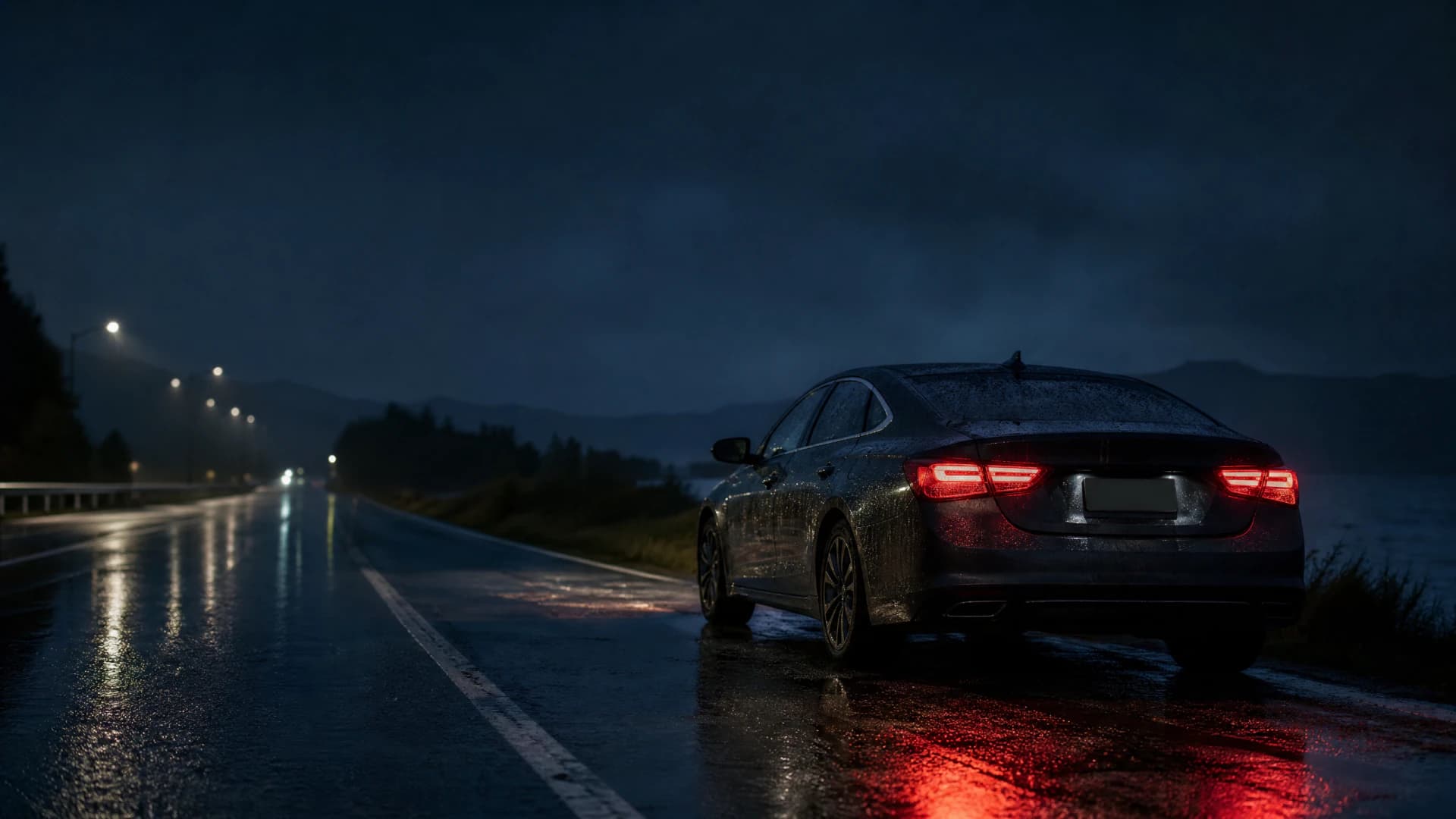
The carrier with the lowest base rate is not always cheapest once North Dakota's mandatory PIP and uninsured-motorist coverage are priced across every vehicle on your policy.
Related Articles




How Same-Policy Requirements Interact with North Dakota Mandates
The multi-car discount requires every vehicle to sit on the same policy. If one car is titled to a household member on a different policy, that vehicle does not count toward the discount, and the mandates price separately on each policy. North Dakota's PIP and uninsured-motorist requirements mean splitting policies costs more than combining them, because each policy carries the full mandate cost per vehicle without the multi-car discount offsetting it.
Carriers define same-policy differently. Some require every vehicle to be garaged at the same address; others allow vehicles garaged at a second address as long as the policyholder owns them. If you own a car garaged at a college campus or a second home, confirm the carrier's garaging rule before assuming the vehicle qualifies for the multi-car discount. A vehicle garaged elsewhere may need a separate policy, doubling the mandate cost for that car.
When two household members each carry a separate policy and you want to combine them, the combined policy re-rates every vehicle from scratch. The carrier prices PIP and uninsured-motorist coverage across all vehicles, applies the multi-car discount, and recalculates the total premium. The combined premium is not the sum of the two separate premiums—it reflects the new household structure and the discount applied to the full vehicle count. Compare the combined quote to the sum of the separate policies to confirm the savings.
18 carriers
North Dakota Licensed Auto Insurers
North Dakota licenses 18 carriers for auto insurance, including preferred-tier writers like State Farm and USAA, standard-tier writers like Geico and Progressive, and non-standard writers like The General and Bristol West. Not all write multi-car policies with the same efficiency.
North Dakota Insurance Department

What Drives Full-Coverage Cost Across Multiple Vehicles
Full-coverage cost reflects collision and comprehensive deductibles, the state's mandatory liability minimums, and PIP and uninsured-motorist coverage priced per vehicle. A $500 deductible costs more than a $1,000 deductible, and that difference multiplies across every car on the policy. Choosing a higher deductible on vehicles you drive less often—a third car used for errands, a classic car driven seasonally—lowers the total premium without reducing coverage on your primary vehicles.
North Dakota allows credit-based insurance scoring, meaning your credit influences the rate every carrier quotes. A household with strong credit may see a larger rate difference between carriers than a household with weaker credit, because preferred-tier carriers reward credit more aggressively. If your credit is strong, compare preferred-tier carriers first. If your credit is weaker, standard-tier carriers may price more competitively because they do not penalize credit as heavily.
Compare Carriers That Write Your Household Structure
The cheapest full-coverage policy is the one that prices North Dakota's mandatory PIP and uninsured-motorist coverage most efficiently across every vehicle on your policy, applies the multi-car discount to the total, and structures the policy to keep all your cars together. Compare total policy cost after all mandates and discounts are applied, not base rates or per-vehicle premiums. Use a comparison tool that shows the full breakdown—liability, collision, comprehensive, PIP, uninsured-motorist, and the multi-car discount—so you can see where each carrier's pricing diverges. Confirm the carrier writes multi-vehicle policies in North Dakota and that your household structure qualifies for the same-policy discount before committing to the quote.
Which Carriers Write Multi-Car Policies in North Dakota
Preferred-tier carriers—State Farm, USAA, Amica, Auto-Owners—typically offer the lowest base rates for households with clean driving records and multiple vehicles. These carriers structure multi-car discounts to reward same-policy households, but their PIP and uninsured-motorist pricing varies. State Farm and USAA write SR-22 and after-DUI policies, meaning they can keep your household on one policy even if a driver picks up a violation. Amica and Auto-Owners do not write SR-22 in North Dakota, so a ticket on one vehicle may force that car onto a separate policy, breaking the multi-car discount.
Standard-tier carriers—Allstate, American Family, Farmers, Geico, Progressive, Nationwide—write broader risk profiles and structure multi-car policies differently. Geico, Progressive, and Farmers write SR-22, non-owner, and after-DUI policies, making them viable for households where one driver has a violation but the rest do not. National General and The General write non-standard policies and price PIP and uninsured-motorist coverage higher per vehicle, but they may be the only option if preferred-tier carriers decline the household. Bristol West writes SR-22 and non-owner policies in North Dakota but requires a broker, adding a layer between you and the quote.
Get Your Free Quote
Get My North Dakota Car Insurance QuoteFrequently Asked Questions
What is the cheapest full-coverage car insurance in North Dakota for multiple vehicles?
The cheapest full-coverage policy is the carrier that prices North Dakota's mandatory PIP and uninsured-motorist coverage most efficiently across every vehicle on one policy and applies the multi-car discount to the total. Preferred-tier carriers like State Farm and USAA typically offer the lowest base rates for clean-record households, while standard-tier carriers like Geico and Progressive may price better for households with a violation.
Does North Dakota require PIP and uninsured-motorist coverage on every vehicle?
Yes. North Dakota mandates PIP and uninsured-motorist coverage on every vehicle, and those coverages re-price at the policy level when you add or remove a car. The total premium reflects how each carrier prices those mandates across your household's vehicles, not just the base liability rate.
How does the multi-car discount work with North Dakota's mandatory coverages?
The multi-car discount applies after PIP and uninsured-motorist coverage are priced across every vehicle on your policy. A larger discount on a carrier that prices the mandates higher per vehicle may not beat a smaller discount on a carrier that prices them lower. Compare total policy cost after all mandates and discounts are applied.
Can I split my vehicles across two policies and still get the multi-car discount?
No. The multi-car discount requires every vehicle to sit on the same policy. Splitting vehicles across two policies means each policy carries the full PIP and uninsured-motorist cost per vehicle without the discount offsetting it, raising the total premium.
Which North Dakota carriers write multi-car policies after a DUI?
State Farm, USAA, Geico, Progressive, Farmers, Allstate, American Family, National General, The General, and Bristol West write SR-22 and after-DUI policies in North Dakota. These carriers can keep your household on one multi-car policy even if one driver picks up a violation, preserving the multi-car discount.
How do I compare full-coverage quotes for multiple cars in North Dakota?
Compare total policy cost after all coverages—liability, collision, comprehensive, PIP, uninsured-motorist—and the multi-car discount are applied. Use a comparison tool that shows the full breakdown per carrier so you can see where pricing diverges. Confirm the carrier writes multi-vehicle policies in North Dakota and that your household structure qualifies for the same-policy discount.