
Car Insurance Cost Per Month — North Dakota
Free to compare
Why Per-Car Estimates Miss the Real Cost
You own two cars, maybe three, and you need to know what insurance costs each month in North Dakota. Most online calculators show a single-vehicle rate and tell you to multiply by the number of cars. That math breaks the moment you add a second vehicle to the same policy, because North Dakota requires personal injury protection and uninsured-motorist coverage on every car, and those mandates re-price at the policy level when you structure coverage for multiple vehicles.
The multi-car discount does not simply subtract a percentage from each vehicle's premium. It restructures how the entire policy is rated. A household with three cars on one policy pays less per vehicle than three separate single-car policies, but only if every vehicle sits on the same policy and meets North Dakota's mandatory coverage requirements. If one car is titled to someone outside the household or sits on a different policy, the discount does not apply to that vehicle, and the remaining cars lose the benefit of spreading the mandatory-coverage cost across the full vehicle count.
“The multi-car discount restructures how the entire policy is rated—it does not simply subtract a percentage from each vehicle's premium.”

Find Coverage That Keeps You Legal in North Dakota
Get My North Dakota Car Insurance Quote$25,000 / $50,000 / $25,000
North Dakota Minimum Liability
North Dakota requires $25,000 bodily injury per person, $50,000 per accident, and $25,000 property damage. PIP and uninsured-motorist coverage are also mandatory, adding to the base cost of every policy.
North Dakota Century Code 39-16.1
How North Dakota's Mandatory Coverages Change the Calculation
North Dakota is one of the few states that mandates both personal injury protection and uninsured-motorist coverage. You cannot decline them. Every vehicle on your policy must carry both, and carriers price those coverages into the total policy premium, not as flat per-car add-ons.
When you add a second or third vehicle, the carrier re-rates the entire policy. The mandatory PIP and uninsured-motorist coverage do not simply double or triple. The multi-car discount adjusts how those coverages are priced across all vehicles, which is why adding a third car to an existing two-car policy often costs less per vehicle than the original two-car rate. The policy structure determines the total monthly cost, not the number of cars alone.
Households that try to estimate cost by taking a single-car quote and multiplying miss this entirely. A single-car policy in North Dakota carries the full weight of the mandatory coverages on one vehicle. A three-car policy spreads that weight across three vehicles and applies the multi-car discount to the combined premium. The per-vehicle cost drops, but only if all three cars sit on the same policy.
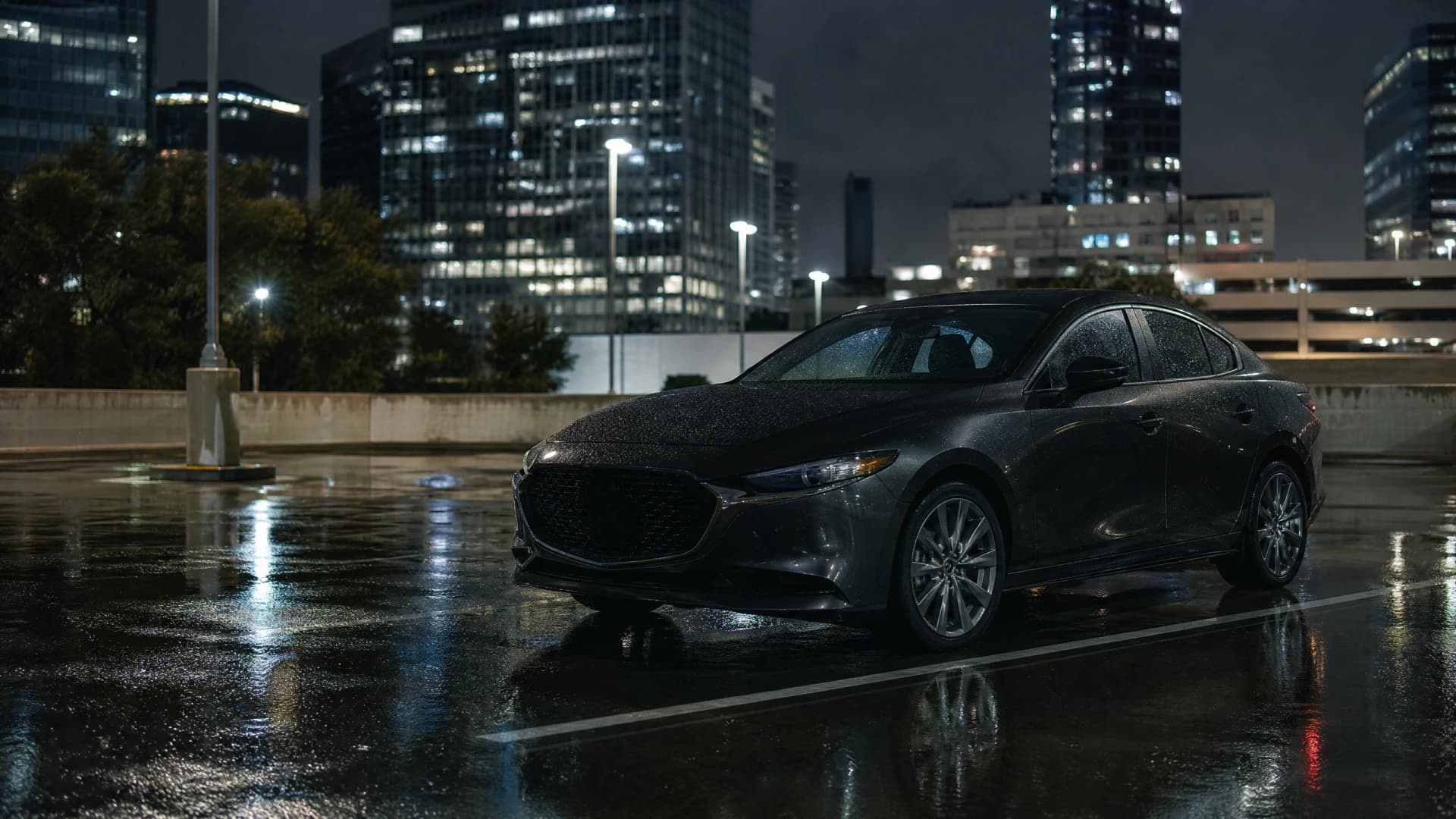
The multi-car discount applies only when every vehicle is on the same policy. A car titled to someone outside the household or on a separate policy does not count.




How Adding a Vehicle Mid-Term Changes Your Monthly Cost
You buy a third car halfway through your policy term. The carrier does not simply add a flat monthly amount for the new vehicle. It re-rates the entire policy from the date you add the car forward, recalculating the multi-car discount, the mandatory PIP and uninsured-motorist coverage, and the liability limits across all three vehicles. The new monthly cost reflects the updated policy structure, not the old two-car rate plus a third-car fee.
Most carriers give you a grace period to report the new vehicle, typically 14 to 30 days. During that window, the new car is covered under your existing policy limits, but only if you notify the carrier before the grace period ends. If you miss the window and have a claim on the unreported vehicle, the carrier can deny coverage. The monthly cost adjusts retroactively to the date you acquired the vehicle, so you owe the updated premium from that date forward, not from the date you reported it.
Households that wait until renewal to add the vehicle lose months of the multi-car discount and pay the two-car rate when they could have been paying the lower three-car rate. The re-rating happens when you report the vehicle, not at renewal. Waiting does not save money; it costs you the discount you were eligible for the day you bought the car.
18 carriers
North Dakota Licensed Auto Carriers
North Dakota's roster includes preferred-tier, standard, and non-standard writers. Multi-vehicle households should compare carriers that write all their cars on one policy and structure the multi-car discount efficiently, not simply the carrier with the lowest advertised single-car rate.
North Dakota Insurance Department

Which Carriers Structure Multi-Car Policies Most Efficiently
Not every carrier writes multi-vehicle policies the same way. Some carriers offer a larger multi-car discount but start from a higher base rate. Others offer a smaller discount on a lower base rate. A smaller discount on a lower base can produce a lower total monthly cost than a larger discount on a higher one, which is why comparing the final policy premium across carriers matters more than comparing advertised discount percentages.
North Dakota's 18 licensed carriers include Allstate, American Family, Farmers, Geico, Progressive, State Farm, and USAA, among others. Carriers that write preferred-tier policies typically require clean driving records and offer the most competitive multi-car rates for households with no recent violations. Standard-tier carriers write households with one or two minor violations and still offer multi-car discounts, though the base rate is higher. Non-standard carriers like Bristol West and The General write households with multiple violations or suspended-license histories and offer multi-car policies, but the discount is smaller because the base rate reflects higher risk.
Compare Carriers That Write Your Full Household
You need a quote that reflects your actual household: the number of vehicles, the drivers on the policy, and North Dakota's mandatory PIP and uninsured-motorist coverage. A single-car quote from one carrier and a three-car quote from another are not comparable. The multi-car discount and the mandatory-coverage pricing vary by carrier, and the only way to know which carrier structures your policy most efficiently is to compare final monthly premiums for the same vehicle count and coverage levels.
Start with carriers licensed in North Dakota that write multi-vehicle policies. Request quotes for all your vehicles on one policy, not separate quotes for each car. Confirm that every quote includes North Dakota's mandatory PIP and uninsured-motorist coverage, because a quote that omits those coverages is not valid in this state. Compare the total monthly cost, not the per-vehicle breakdown, because the multi-car discount applies to the policy as a whole. The carrier that offers the lowest total monthly premium for your full household is the one that structures your multi-car policy most efficiently.
What Drives Monthly Cost for Multiple Vehicles
The number of vehicles on the policy is the first factor. Two cars cost less per vehicle than one car alone, and three cars cost less per vehicle than two, because the multi-car discount increases with each additional vehicle and the mandatory PIP and uninsured-motorist coverage spread across a larger base. The discount is not a fixed percentage. It varies by carrier, and some carriers structure multi-car policies more efficiently than others. A household with three cars should compare carriers that write all three vehicles on one policy, not carriers that offer the lowest single-car rate.
Driving records, vehicle types, and garaging location also re-price the policy when you add a car. A newly-added vehicle with a clean-record driver may lower the per-vehicle cost if the carrier re-rates the policy favorably. A vehicle with a driver who has a recent ticket or accident raises the entire policy premium, not just the cost of that one car. North Dakota's 10.6% uninsured-motorist rate and mandatory uninsured-motorist coverage mean carriers price risk across the full household, and one high-risk vehicle affects every car on the policy.
Get Your Free Quote
Get My North Dakota Car Insurance QuoteFrequently Asked Questions
Does North Dakota require PIP and uninsured motorist coverage on every car?
Yes. North Dakota mandates personal injury protection and uninsured-motorist coverage on every vehicle. You cannot decline them. Carriers price those coverages into the total policy premium, and the cost spreads across all vehicles when you structure a multi-car policy.
How does adding a second car change my monthly premium in North Dakota?
Adding a second car to your existing policy triggers a policy-wide re-rate. The carrier recalculates your premium to include the multi-car discount and reprices the mandatory PIP and uninsured-motorist coverage across both vehicles. The per-vehicle cost typically drops compared to two separate single-car policies.
Can I insure three cars on one policy in North Dakota?
Yes. Most North Dakota carriers write multi-vehicle policies for three or more cars. The multi-car discount increases with each additional vehicle, and the mandatory PIP and uninsured-motorist coverage spread across the full vehicle count, lowering the per-vehicle cost compared to separate policies.
What happens if I add a car mid-term to my North Dakota policy?
The carrier re-rates your entire policy from the date you add the car forward. You owe the updated monthly premium retroactively to the acquisition date, not the date you reported it. Most carriers give you 14 to 30 days to report the new vehicle before coverage lapses.
Do all North Dakota carriers offer the same multi-car discount?
No. The multi-car discount varies by carrier. Some offer a larger discount on a higher base rate; others offer a smaller discount on a lower base. The carrier with the lowest total monthly premium for your full household structures your multi-car policy most efficiently, regardless of advertised discount percentages.
Which North Dakota carriers write multi-vehicle policies?
North Dakota's 18 licensed carriers include Allstate, American Family, Farmers, Geico, Progressive, State Farm, and USAA. Preferred-tier carriers require clean records and offer competitive multi-car rates. Standard-tier carriers write households with minor violations. Non-standard carriers like Bristol West and The General write higher-risk households.