
Car Insurance Rate Increase After a Ticket — North Dakota
Free to compare
The Premium Jump You Cannot Decode
Your North Dakota auto insurance renewal arrived with a higher premium after a speeding ticket, and the notice lists a new total for the policy but no line item showing what the ticket itself cost. You insure two or three vehicles on one policy, and you cannot tell whether the increase hit only your car or re-rated the entire household. The carrier's explanation—'your driving record changed'—does not clarify whether the other vehicles' premiums stayed flat or rose alongside yours.
The structural reality: North Dakota carriers re-rate the entire multi-vehicle policy when any driver on the policy receives a ticket, not just the vehicle the ticketed driver uses most. The premium increase you see is a compound figure—the violation surcharge applied to your risk profile plus a recalculated base rate across every vehicle the policy covers. Understanding how much of the jump is the ticket versus routine re-rating requires knowing how multi-car policies price risk across the household.
“The ticket re-rates every vehicle on your policy because carriers price multi-car policies using a shared household risk pool.”

Find Coverage That Keeps You Legal in North Dakota
Get My North Dakota Car Insurance Quote$25,000 / $50,000 / $25,000
North Dakota Minimum Liability
North Dakota requires $25,000 bodily injury per person, $50,000 per accident, and $25,000 property damage, plus mandatory PIP and uninsured motorist coverage. A ticket does not change these minimums, but it does change how carriers price the risk of insuring a driver who now carries a violation.
North Dakota Century Code 39-16.1
How Multi-Car Policies Re-Rate After a Ticket
A multi-vehicle policy in North Dakota prices every car on the policy using a shared driver-risk pool. When one driver receives a ticket, the carrier recalculates the household's overall risk score, then applies that updated score to every vehicle's premium. The ticket does not attach only to the car you were driving when cited—it attaches to you as a rated driver, and your presence in the household risk pool affects the premium for every vehicle you could legally drive.
This means a speeding ticket increases the premium for the car you drive daily, the second car your spouse drives, and the third vehicle your household uses occasionally, even if you never drive it. The magnitude of the increase per vehicle depends on how the carrier weights driver risk across the policy. Some carriers apply a flat surcharge percentage to the total policy premium. Others recalculate each vehicle's rate individually using the updated driver-risk score, producing different per-vehicle increases.
The result: your renewal notice shows one new total, but that total reflects changes to multiple vehicles' premiums simultaneously. Isolating the ticket's cost requires comparing the old per-vehicle breakdown to the new one, and most renewal notices do not provide that level of detail unless you request it from the carrier.

The ticket re-rates every vehicle on your North Dakota policy, not just the car you were driving, because carriers price multi-car policies using a shared household risk pool.


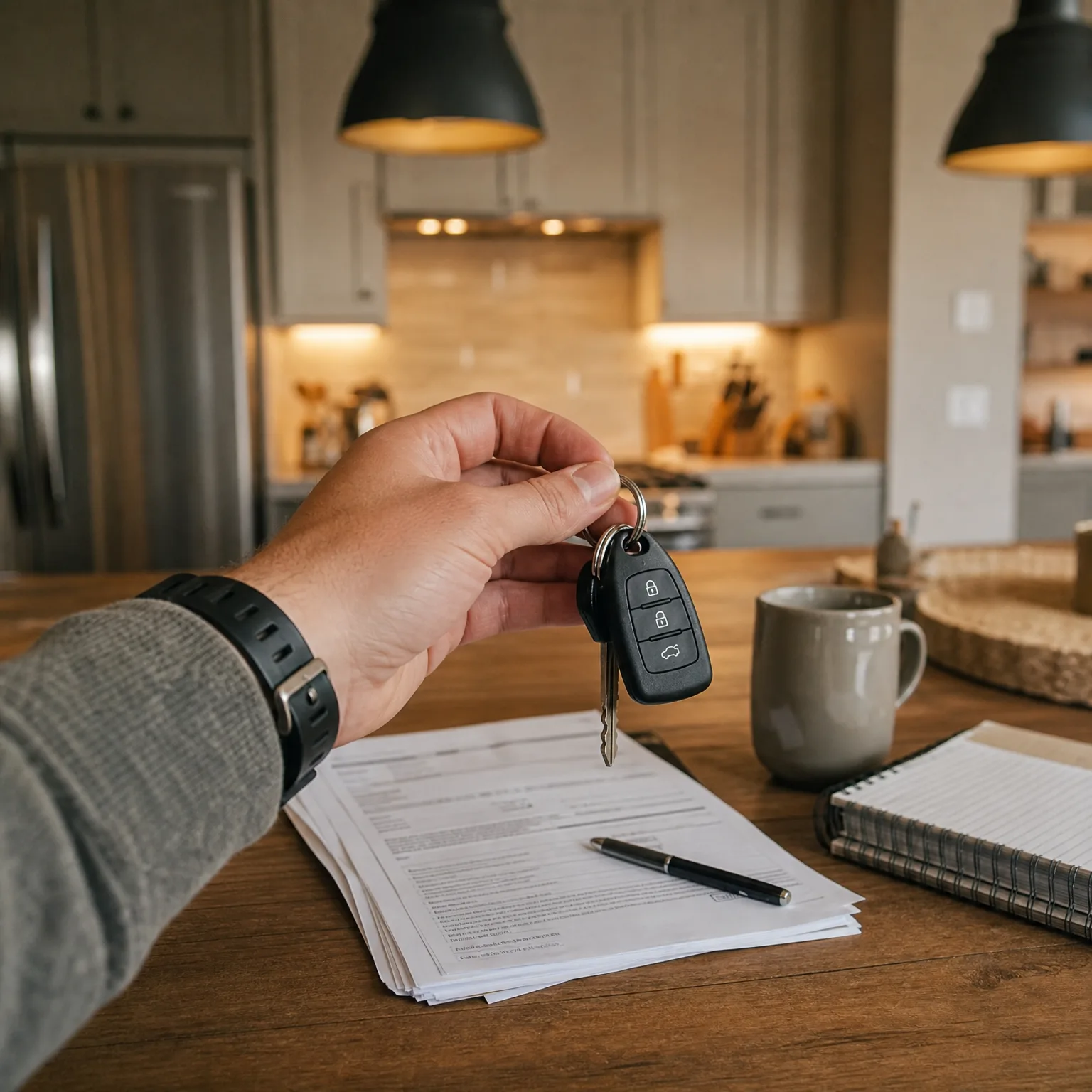
How the Multi-Car Discount Interacts With the Surcharge
North Dakota households with multiple vehicles on one policy receive a multi-car discount that reduces the total premium below what separate single-car policies would cost. When a ticket triggers a policy-wide re-rating, the multi-car discount still applies, but it applies to a higher base premium. The discount percentage typically stays the same, but the absolute dollar savings shrink because the post-ticket base rate is higher.
Some carriers recalculate the discount eligibility itself after a ticket. If your household qualified for a preferred multi-car discount tier before the violation, the ticket may move you into a standard tier where the discount percentage is lower. The result: the ticket increases your base premium and reduces your discount simultaneously, compounding the total cost increase across every vehicle.
This interaction is invisible in most renewal notices. The notice shows a new total premium, and the multi-car discount line item reflects the new percentage, but it does not explain that the discount tier itself changed. Requesting a detailed breakdown from your carrier—showing the per-vehicle premium before and after the ticket, and the discount applied to each—clarifies how much of the increase is the violation surcharge versus discount-tier movement.
563,161
North Dakota Licensed Drivers
North Dakota has 563,161 licensed drivers and 1,093,509 registered vehicles, meaning many households insure more than one car per driver. A ticket that re-rates a multi-vehicle policy affects a larger share of the state's insured vehicles than single-car households.
NAIC Auto Insurance Database Report 2023
Comparing Carriers After the Increase
Once the ticket appears on your North Dakota driving record, it stays visible to carriers for three years. Your current carrier has already applied the surcharge, but other carriers may price the same violation differently, especially for multi-vehicle policies. Some carriers apply a flat percentage increase to the total policy premium regardless of vehicle count. Others apply the surcharge per vehicle, producing a larger absolute increase for households with three or four cars.
Carriers writing North Dakota multi-car policies include State Farm, Geico, Progressive, Allstate, Farmers, USAA, American Family, Nationwide, Liberty Mutual, and Travelers. Each uses a different risk model to price violations, and each structures multi-car discounts differently. A carrier that applies a smaller per-vehicle surcharge but offers a lower multi-car discount may cost more overall than a carrier with a higher surcharge but a larger discount, depending on your household's vehicle count and driver mix.
Requesting quotes from at least three carriers after a ticket clarifies which pricing model works best for your household. Provide each carrier with the same vehicle details, driver information, and coverage selections so the quotes reflect true rate differences rather than coverage mismatches. The goal is not to find the cheapest single-vehicle rate but the lowest total cost for insuring your household's entire fleet after the violation.
Compare Carriers That Write Multi-Vehicle Policies in North Dakota
The ticket is on your record, and your current carrier has applied the surcharge. The next step is determining whether another carrier prices your household's post-ticket risk lower. North Dakota households insuring multiple vehicles should compare total policy cost across carriers, not per-vehicle rates in isolation, because the multi-car discount structure varies more than the base surcharge. Request quotes that include every vehicle and every driver on your current policy, and verify that each quote meets North Dakota's mandatory PIP and uninsured-motorist coverage requirements alongside the state's minimum liability limits.
What Drives the Size of the Increase
Violation severity determines the base surcharge. A minor speeding ticket—typically 1 to 9 mph over the limit—produces a smaller percentage increase than a major violation such as reckless driving or a speed 20+ mph over the limit. North Dakota assigns points to most moving violations, and carriers use those points as a proxy for risk. A 3-point speeding ticket will increase your premium less than a 6-point reckless-driving conviction, but both trigger a policy-wide re-rating.
Your prior record amplifies or dampens the increase. A first ticket in three years produces a smaller surcharge than a second or third ticket in the same period, because carriers view repeat violations as stronger predictors of future claims. If you held a clean record before the ticket, the increase will be noticeable but moderate. If the ticket is your second or third, the carrier may move your entire household into a higher-risk tier, compounding the per-vehicle premium increase across every car on the policy.
Get Your Free Quote
Get My North Dakota Car Insurance QuoteFrequently Asked Questions
Does a speeding ticket in North Dakota increase insurance for all cars on my policy?
Yes. North Dakota carriers re-rate the entire multi-vehicle policy when any driver receives a ticket, not just the vehicle the ticketed driver uses. The violation attaches to you as a rated driver, and your presence in the household risk pool affects every vehicle's premium.
How long does a ticket affect my North Dakota car insurance rates?
A ticket stays on your North Dakota driving record for three years and remains visible to carriers during that period. Most carriers apply the surcharge for three years from the conviction date, then remove it when the violation ages off your record.
Can I remove a driver from my North Dakota multi-car policy to lower the premium after a ticket?
You can remove a driver only if they no longer live in your household or no longer have access to your vehicles. North Dakota carriers require you to list every household member of driving age, and excluding a ticketed driver who still lives with you violates the policy terms and can result in claim denial.
Will my North Dakota multi-car discount disappear after a ticket?
The multi-car discount typically remains in place, but it applies to a higher base premium after the ticket. Some carriers also move you into a lower discount tier after a violation, reducing the discount percentage itself and compounding the total cost increase.
Should I compare carriers immediately after a North Dakota ticket or wait until renewal?
Compare carriers as soon as the ticket appears on your driving record. Waiting until renewal means paying the surcharge for months before switching, and North Dakota allows mid-term policy changes without penalty from most carriers.