
How Much Car Insurance Goes Up After an Accident — North Dakota
Free to compare
Your Accident Just Re-Rated Every Vehicle on Your Policy
You had an accident in North Dakota. The claim closed, the repairs are done, and now your renewal notice arrived with a premium increase that applies to every vehicle on your household policy. The increase is not isolated to the car that was in the accident. It re-rates the entire policy because North Dakota carriers price multi-vehicle policies as a single risk unit, not as separate per-vehicle calculations.
This matters most for households insuring two, three, or four vehicles under one policy. The at-fault accident becomes a household-level rating factor. The carrier applies the surcharge to the base premium calculation, then recalculates coverage costs across all vehicles. The multi-car discount still applies, but it applies to a higher base rate. Understanding how the increase works across your vehicles helps you decide whether to keep your current carrier or compare alternatives before the renewal locks in.
“The at-fault accident becomes a household-level rating factor, and the carrier applies the surcharge to the base premium before recalculating coverage costs across all vehicles.”

Find Coverage That Keeps You Legal in North Dakota
Get My North Dakota Car Insurance Quote$25,000/$50,000/$25,000
North Dakota Minimum Liability
North Dakota requires $25,000 bodily injury per person, $50,000 per accident, and $25,000 property damage. An at-fault accident that exceeds these limits triggers a surcharge at renewal, and the surcharge applies to the entire multi-vehicle policy.
North Dakota Department of Transportation
The Surcharge Applies to the Policy, Not the Vehicle
North Dakota operates as a traditional tort state. The at-fault driver's liability insurance pays for the other party's damages. When you are found at-fault and your carrier pays a claim, that accident becomes part of your driving record. At renewal, the carrier applies a surcharge to your policy premium.
The surcharge is not a flat dollar amount added to one vehicle. It is a percentage increase applied to the policy's base premium calculation before coverage costs are distributed across your vehicles. If your household policy covers three cars, the accident-related increase affects all three. The carrier recalculates the total premium with the surcharge factored in, then applies the multi-car discount to the new total.
This structure means the dollar impact is larger for households with multiple vehicles than for single-car policies, even though the percentage increase is the same. A household insuring three vehicles sees the surcharge applied to a higher base premium, so the absolute dollar increase is greater. The multi-car discount does not offset the surcharge; it applies after the surcharge is already baked into the base rate.
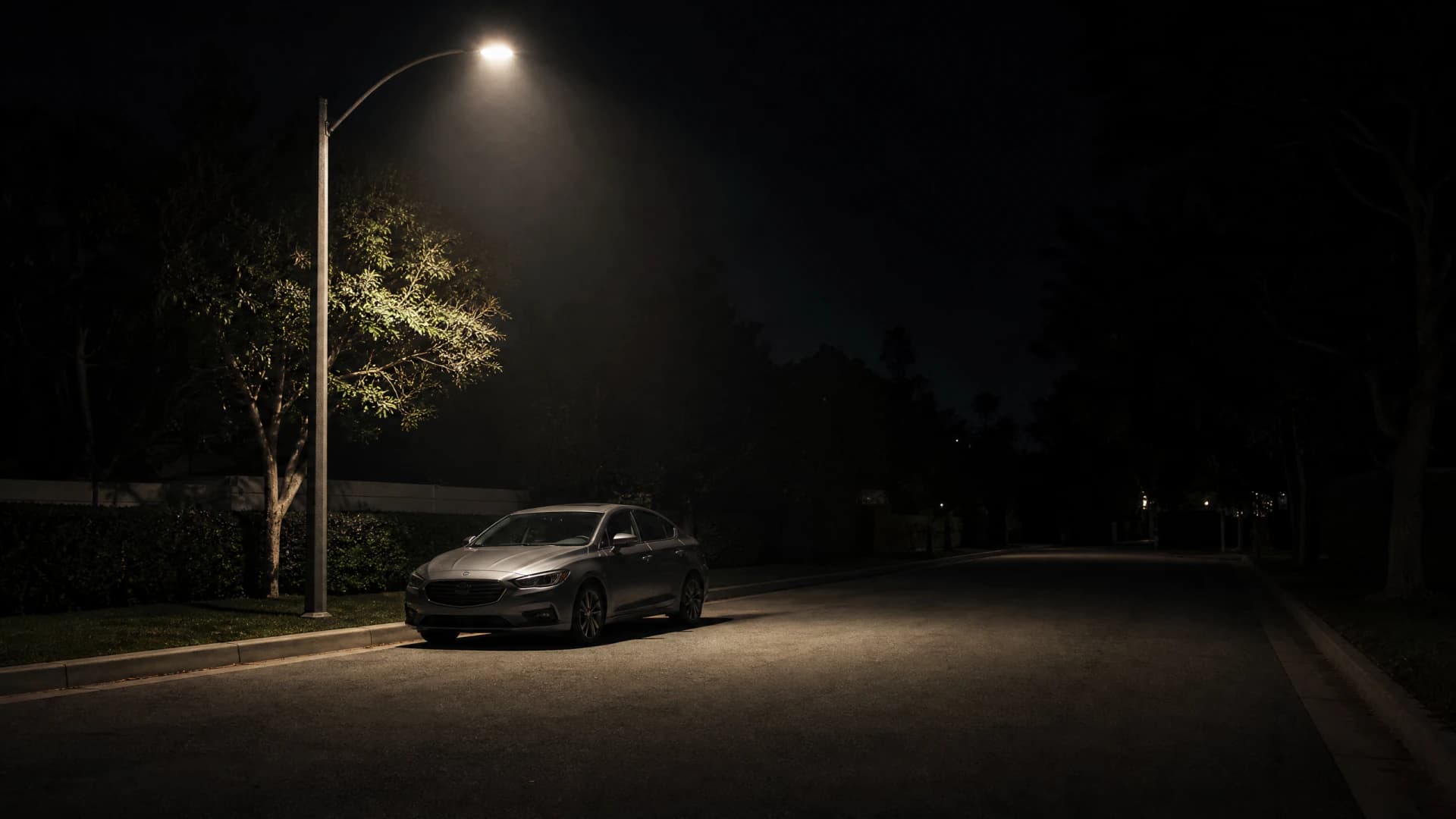
The at-fault accident re-rates your entire household policy at renewal, not just the vehicle involved. Every car on the policy sees the increase.




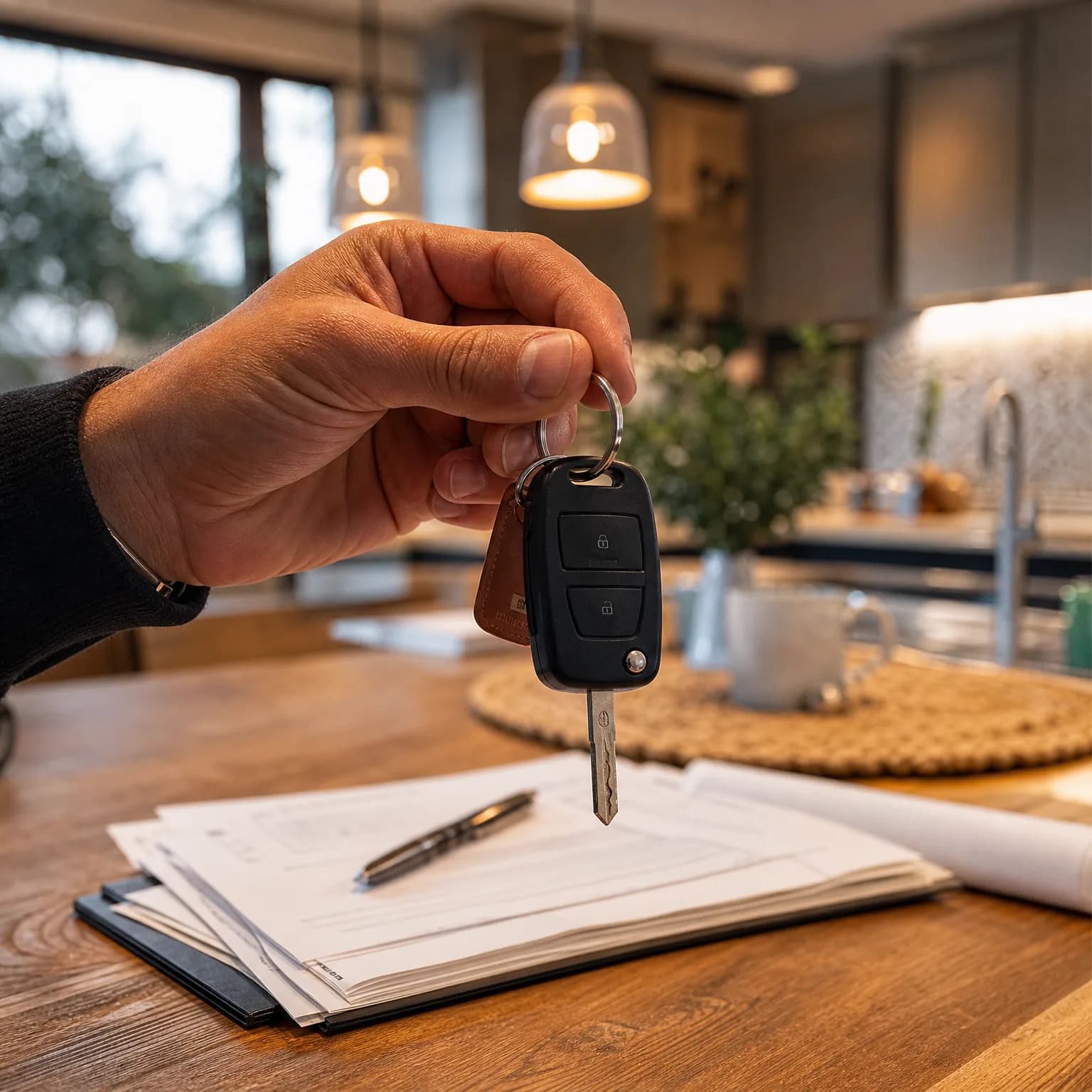


When the Surcharge Drops Off Your Policy
North Dakota carriers typically apply the at-fault accident surcharge for three to five years from the accident date. The exact period depends on the carrier and the severity of the claim. A minor at-fault accident with a small payout may carry a three-year surcharge. A major accident with significant bodily injury or property damage may carry a five-year surcharge.
The surcharge does not drop off automatically at renewal. It remains on your policy until the carrier's rating period expires. Once the surcharge period ends, the carrier recalculates your premium without the accident as a rating factor. Your premium drops back to the pre-accident level, adjusted for any other changes in your household, vehicles, or coverage.
Some carriers offer accident forgiveness programs that waive the first at-fault accident surcharge if you meet specific criteria: no prior accidents in the past three to five years, no major violations, and continuous coverage with the carrier for a minimum period. If your household qualifies, the accident does not trigger a surcharge at renewal. Check whether your current carrier offers accident forgiveness and whether your household meets the eligibility requirements before the renewal locks in.
10.6%
North Dakota Uninsured Motorist Rate
One in ten drivers in North Dakota carries no insurance. An at-fault accident with an uninsured driver complicates claims and may still trigger a surcharge if your carrier pays out under your collision or uninsured motorist coverage.
Insurance Information Institute, 2023

Whether to Stay or Compare After the Increase
When your renewal arrives with the accident surcharge applied, you have two options: accept the increase and stay with your current carrier, or compare quotes from other carriers before the renewal locks in. The decision depends on how your current carrier's post-accident premium compares to what other carriers would charge for your household.
Not all carriers apply the same surcharge percentage or weight at-fault accidents the same way. Some carriers specialize in multi-vehicle households and offer more competitive post-accident rates because they spread the risk across a larger policy. Others apply steeper surcharges because they view any at-fault accident as a significant risk signal. Comparing quotes from carriers that write multi-vehicle policies in North Dakota gives you a baseline for whether your current carrier's post-accident premium is competitive or inflated.
Compare Carriers That Write Multi-Vehicle Policies in North Dakota
North Dakota has 19 carriers writing auto insurance in the state, and most write multi-vehicle policies. Carriers that specialize in multi-car households include State Farm, Geico, Progressive, Allstate, American Family, and Farmers. Each carrier applies its own surcharge structure for at-fault accidents, and each weights the multi-car discount differently. Comparing quotes from three to five carriers before your renewal locks in shows you whether staying with your current carrier makes sense or whether switching saves money across your household's vehicles.
When you compare, provide the same coverage limits and deductibles for each quote so the comparison is accurate. Include every vehicle on your household policy and every driver who operates those vehicles. The quote you receive reflects the post-accident surcharge, the multi-car discount, and any other discounts your household qualifies for. The comparison tells you whether your current carrier's post-accident premium is competitive or whether another carrier offers a better rate for your household's risk profile after the accident.
How the Increase Compounds Across Multiple Vehicles
When your carrier applies the at-fault accident surcharge, it recalculates the policy premium from the ground up. The surcharge is a rating factor applied to the base premium before any discounts. For a household with three vehicles, the base premium is already higher than a single-car policy because it covers more vehicles, more drivers, and more exposure. The surcharge percentage is the same, but the dollar increase is larger because the base is larger.
After the surcharge is applied, the carrier recalculates coverage costs for each vehicle on the policy. Collision and comprehensive premiums may increase slightly because the carrier now views the household as higher-risk. Liability premiums increase more noticeably because the at-fault accident signals higher liability exposure. The multi-car discount still applies, but it applies to the post-surcharge premium. The discount does not reduce the surcharge itself; it reduces the total premium after the surcharge is already factored in. This is why the renewal increase feels larger than expected for multi-vehicle households.
Get Your Free Quote
Get My North Dakota Car Insurance QuoteFrequently Asked Questions
Does an at-fault accident increase insurance on all cars on my policy?
Yes. North Dakota carriers apply the at-fault accident surcharge to your entire household policy, not just the vehicle involved. The surcharge is a rating factor applied to the base premium before coverage costs are distributed across all vehicles on the policy.
How long does an at-fault accident affect my car insurance premium in North Dakota?
Typically three to five years from the accident date, depending on the carrier and the severity of the claim. Minor accidents may carry a three-year surcharge; major accidents with significant payouts may carry a five-year surcharge.
Can I avoid the surcharge if I have accident forgiveness?
Yes, if your carrier offers accident forgiveness and your household qualifies. Eligibility typically requires no prior accidents in the past three to five years, no major violations, and continuous coverage with the carrier for a minimum period.
Should I switch carriers after an at-fault accident in North Dakota?
Compare quotes from other carriers before your renewal locks in. Not all carriers apply the same surcharge percentage, and some offer more competitive post-accident rates for multi-vehicle households. Comparing three to five carriers shows whether staying or switching saves money.
Does the multi-car discount reduce the accident surcharge?
No. The multi-car discount applies to the total premium after the surcharge is already factored into the base rate. The discount does not offset the surcharge itself; it reduces the post-surcharge premium.