
Multi-Car Insurance Discounts — North Dakota
Free to compare
Why Advertised Discount Percentages Miss the Point
You see a carrier advertising a 25% multi-car discount and assume it beats a competitor's 15% discount. But North Dakota requires personal injury protection and uninsured motorist coverage on every vehicle you insure, and those mandates re-price at the policy level when you add a second or third car. The carrier with the smaller advertised discount percentage can charge less in total if it prices mandatory coverages more efficiently across multiple vehicles on one policy.
The multi-car discount is a same-policy mechanism: every vehicle you own must sit on one policy to qualify. When you add a vehicle mid-term or combine two household members' cars onto one policy, the carrier re-rates the entire policy—not just the new car—because North Dakota's mandatory PIP and uninsured-motorist requirements apply to the whole structure. That re-rating can erase the discount savings if the base premium jumps.
“A carrier with a smaller advertised discount can cost less in total if it prices North Dakota's mandatory coverages more efficiently across your vehicles.”

Find Coverage That Keeps You Legal in North Dakota
Get My North Dakota Car Insurance Quote$25,000 / $50,000 / $25,000
North Dakota Minimum Liability
North Dakota requires $25,000 bodily injury per person, $50,000 per accident, and $25,000 property damage. PIP and uninsured motorist coverage are mandatory on top of these minimums, and both re-price when you add vehicles to a multi-car policy.
North Dakota Century Code 39-16.1
What the Multi-Car Discount Actually Applies To
The multi-car discount reduces the premium for liability, collision, and comprehensive coverage when you insure two or more vehicles on the same policy. It does not apply to North Dakota's mandatory PIP or uninsured-motorist coverage in most carrier pricing structures—those coverages are priced per vehicle at rates set by state filing rules, and the discount mechanism does not touch them.
That means the total savings you see from a multi-car discount depend on how much of your premium is liability and physical-damage coverage versus how much is mandatory PIP and uninsured-motorist. A household insuring two newer cars with full coverage sees a bigger absolute dollar reduction from the discount than a household insuring two older cars with minimum coverage, because the discount applies to a larger base.
When you compare carriers, ask what the total policy cost is after applying the multi-car discount and pricing mandatory coverages. A carrier that advertises a smaller discount percentage but prices PIP and uninsured-motorist coverage lower can cost less in total than a carrier with a higher advertised discount and higher mandatory-coverage rates.
The multi-car discount applies only when every vehicle sits on one policy—splitting cars across two policies to keep one driver's record separate forfeits the discount entirely.


How Adding a Vehicle Mid-Term Re-Rates the Policy
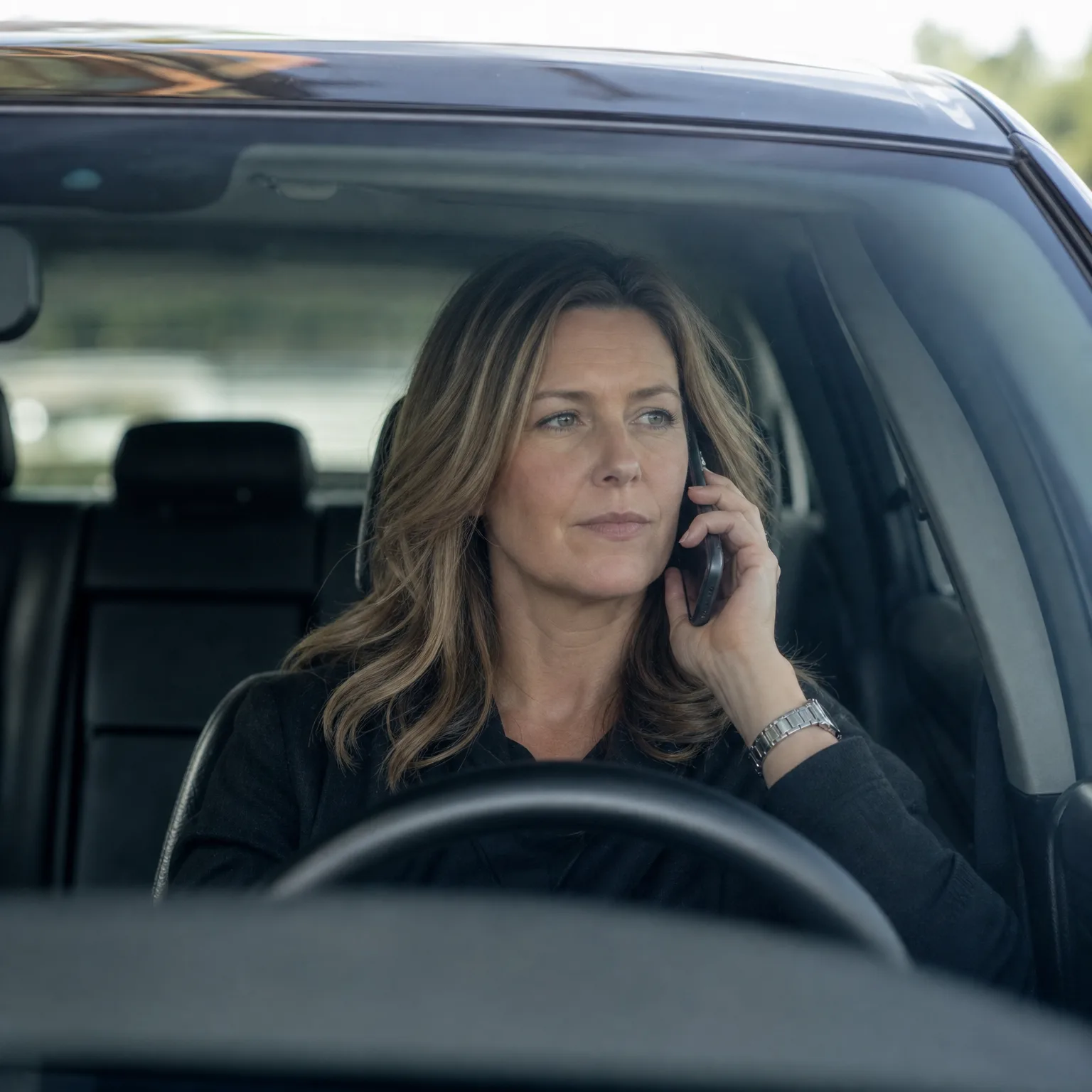
When you buy a third car and add it to your existing two-car policy, the carrier does not simply add the new car's premium to your current bill. It re-rates the entire policy—all three vehicles—because North Dakota's mandatory PIP and uninsured-motorist coverage must be priced across the new policy structure. That re-rating can increase the premium for the first two cars if the third car changes the policy's risk profile.
The re-rating happens immediately when you add the vehicle, not at renewal. Most North Dakota carriers give you a grace period—typically 14 to 30 days—to report a newly purchased vehicle and add it to your policy before coverage lapses. If you miss that window, the new car is not covered, and a claim on that vehicle is denied. Report the vehicle within the grace period to preserve coverage and lock in the multi-car discount.
The total cost after re-rating depends on the third vehicle's value, the coverage you select, and how the carrier prices mandatory coverages across three cars instead of two. A household adding a high-value third car with full coverage sees a bigger premium jump than a household adding an older car with minimum coverage, even though both qualify for the same multi-car discount percentage.
18 carriers
Licensed Auto Writers in ND
Eighteen carriers write auto insurance in North Dakota, including both preferred-tier and non-standard writers. Not all structure multi-car policies the same way—some price mandatory PIP and uninsured-motorist coverage more efficiently across multiple vehicles than others.
North Dakota Insurance Department licensing data

Which Carriers Structure Multi-Car Policies Efficiently
Carriers that write multi-car policies in North Dakota include Allstate, American Family, Farmers, Geico, Liberty Mutual, Nationwide, Progressive, State Farm, Travelers, and USAA. Each prices North Dakota's mandatory PIP and uninsured-motorist coverage differently, and that pricing difference determines total cost more than the advertised multi-car discount percentage.
State Farm and USAA typically price mandatory coverages lower for multi-vehicle households, but USAA restricts eligibility to military members and their families. Geico and Progressive offer online quotes that show total policy cost after applying the multi-car discount and pricing mandatory coverages, making it easier to compare actual cost rather than advertised percentages. Allstate and American Family require agent quotes, and total cost depends on how the agent structures the policy and selects coverage limits.
Compare Total Policy Cost, Not Discount Percentages
The multi-car discount is a structural decision, not a standalone savings figure. A carrier advertising a 20% discount can cost more in total than a carrier advertising a 10% discount if the first carrier prices North Dakota's mandatory PIP and uninsured-motorist coverage higher. Compare the total annual or monthly cost after applying the discount and pricing every mandatory coverage the state requires.
When you request quotes, ask each carrier for the total policy cost covering all your vehicles with the same coverage limits and deductibles. Specify whether you want minimum coverage—North Dakota's $25,000/$50,000/$25,000 liability plus mandatory PIP and uninsured-motorist—or full coverage with collision and comprehensive. The total cost after applying the multi-car discount is the only figure that matters. Use the North Dakota car insurance requirements page to confirm what the state mandates before comparing quotes.
Same-Policy Requirements and Household Structure
When you add a second car, the carrier verifies that both vehicles are titled to you or to someone living at your address. If a household member owns a car titled in their name and keeps a separate policy, that vehicle does not count toward your multi-car discount. Combining the policies into one triggers a full re-rate of both vehicles, and the total cost after re-rating determines whether the discount saves money or costs more.
Carriers writing North Dakota auto insurance—including Allstate, American Family, Farmers, Geico, Progressive, State Farm, and USAA—each structure same-policy requirements differently. Some allow a vehicle titled to an adult child living at home to sit on the parent's policy and qualify for the discount; others require separate policies once the child turns 18. Ask the carrier whether your household's vehicle and driver structure qualifies before assuming the discount applies.
Get Your Free Quote
Get My North Dakota Car Insurance QuoteFrequently Asked Questions
Does the multi-car discount apply to North Dakota's mandatory PIP and uninsured motorist coverage?
Most carriers apply the multi-car discount only to liability, collision, and comprehensive coverage—not to North Dakota's mandatory PIP or uninsured-motorist coverage, which are priced per vehicle at rates set by state filing rules. The discount reduces the premium for coverages you choose, not coverages the state mandates.
Can I keep two separate policies and still get a multi-car discount?
No. The multi-car discount requires every vehicle to sit on one policy. Splitting cars across two policies—even if both are with the same carrier—forfeits the discount entirely. Combining the policies into one triggers a full re-rate of all vehicles.
What happens to my multi-car discount when I add a third vehicle mid-term?
The carrier re-rates your entire policy immediately when you add the third vehicle, pricing all three cars together with North Dakota's mandatory PIP and uninsured-motorist coverage applied to the new structure. The multi-car discount applies to the re-rated policy, but the total cost can increase if the third car changes the policy's risk profile.
Do all North Dakota carriers offer the same multi-car discount percentage?
No. Advertised multi-car discount percentages range from 10% to 25% depending on the carrier, but the percentage alone does not determine total cost. A carrier with a smaller discount percentage can cost less in total if it prices North Dakota's mandatory coverages more efficiently across multiple vehicles.
Can a vehicle titled to my adult child living at home qualify for my multi-car discount?
It depends on the carrier. Some North Dakota carriers allow a vehicle titled to an adult child living at your address to sit on your policy and qualify for the multi-car discount; others require a separate policy once the child turns 18. Ask the carrier whether your household structure qualifies before assuming the discount applies.
How do I compare multi-car policy costs across North Dakota carriers?
Request total policy cost quotes from each carrier covering all your vehicles with identical coverage limits and deductibles. Specify minimum coverage or full coverage, and compare the total annual or monthly cost after the multi-car discount and mandatory PIP and uninsured-motorist pricing. The advertised discount percentage does not tell you which carrier costs less.