
Why Car Insurance Is So Expensive — North Dakota
Free to compare
The Multi-Car Premium Reality in North Dakota
You added a second or third vehicle to your North Dakota auto policy expecting the multi-car discount to lower your combined premium. Instead, the total jumped more than you anticipated. The discount applied, but the per-vehicle mandatory coverage requirements North Dakota imposes—personal injury protection and uninsured motorist coverage—stacked faster than the discount offset them.
North Dakota is one of twelve no-fault states, which means every vehicle on your policy must carry personal injury protection coverage. The state also mandates uninsured and underinsured motorist coverage on every car. These aren't optional add-ons you can decline to save money. They're required by law, and they're priced per vehicle. When you insure multiple cars on one policy, those mandates multiply.
“The multi-car discount applies to liability and collision, not to the per-vehicle PIP and uninsured motorist costs North Dakota mandates on every car.”

Find Coverage That Keeps You Legal in North Dakota
Get My North Dakota Car Insurance Quote$25,000 / $50,000 / $25,000
North Dakota Minimum Liability
North Dakota requires $25,000 bodily injury per person, $50,000 bodily injury per accident, and $25,000 property damage. This is the floor for every vehicle on your policy, before PIP and uninsured motorist coverage are added.
North Dakota Department of Transportation
Why Mandatory PIP and Uninsured Motorist Coverage Stack Costs
Personal injury protection pays medical expenses and lost wages for you and your passengers after a crash, regardless of fault. North Dakota law requires it on every vehicle. Uninsured and underinsured motorist coverage protects you when the other driver has no insurance or insufficient coverage to pay your claim. North Dakota mandates both.
When you insure one car, you pay for PIP and uninsured motorist coverage once. When you add a second vehicle to the same policy, you pay for those coverages again. A third car means a third set. The multi-car discount—typically applied to liability and collision premiums—doesn't eliminate the per-vehicle cost of these mandatory coverages. It reduces the total, but the base you're discounting from is higher than in states where PIP and uninsured motorist coverage are optional.
In North Dakota, 10.6% of motorists are uninsured. That's above the national median, and it's the reason the state mandates uninsured motorist coverage. The mandate protects you, but it also means every vehicle on your policy carries a coverage layer you can't decline, even if you'd prefer to self-insure that risk across multiple cars.
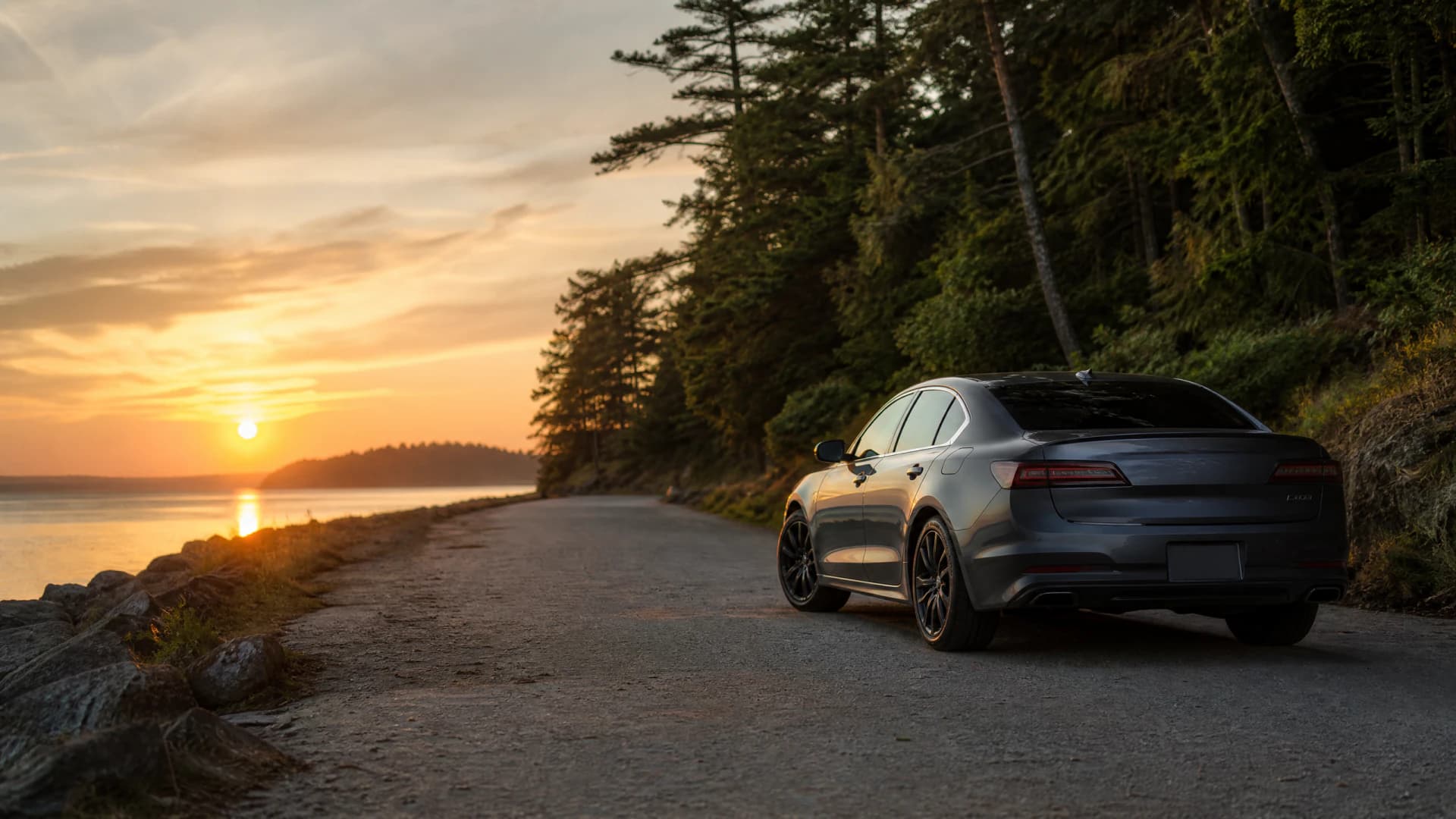
The multi-car discount applies to liability and collision premiums, not to the per-vehicle mandatory PIP and uninsured motorist costs that North Dakota law requires on every car.

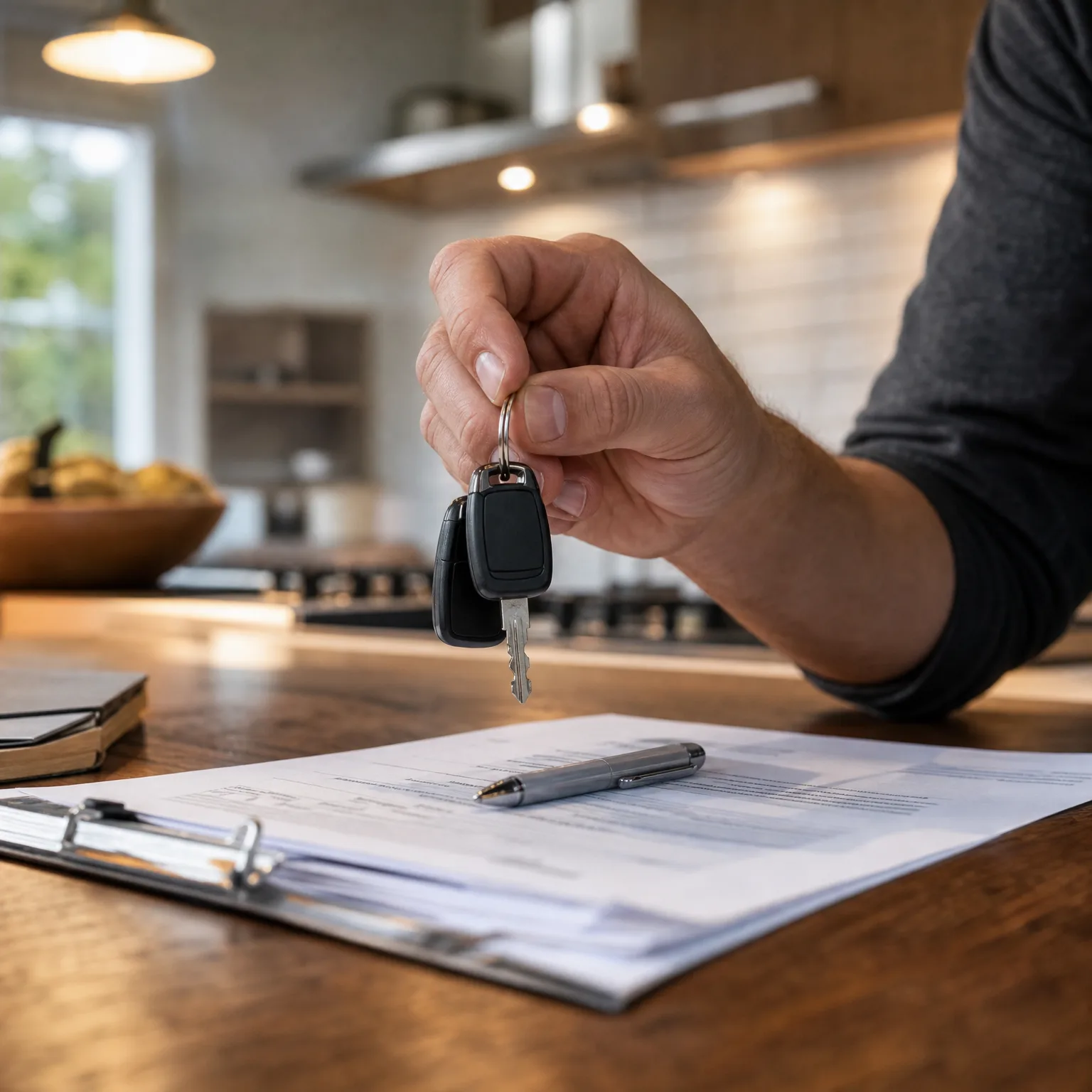


What the Multi-Car Discount Actually Covers
The multi-car discount applies to liability, collision, and comprehensive premiums. It does not apply to mandatory PIP or uninsured motorist coverage in most cases. Carriers structure the discount as a percentage reduction on the base premium for each vehicle after the first, but that base excludes the per-vehicle mandatory coverages North Dakota law requires.
A household insuring two cars in North Dakota might see a 10% to 20% discount on the second vehicle's liability and collision premiums. That discount is real, but it's applied to a smaller portion of the total premium than you'd see in a state where PIP and uninsured motorist coverage are optional. The mandatory coverages remain full price, and they're a larger share of the total cost when you insure multiple vehicles.
Some carriers offer a multi-policy discount when you bundle auto and home or renters insurance. That discount can offset the per-vehicle mandatory coverage costs more effectively than the multi-car discount alone, because it applies to the combined premium across product lines. If you're insuring multiple vehicles and own a home in North Dakota, bundling is often the clearest path to lowering the total household insurance cost.
10.6%
North Dakota Uninsured Motorists
More than one in ten drivers in North Dakota carries no insurance. The state's uninsured motorist mandate exists to protect you when you're hit by one of them, but it adds a per-vehicle cost to every multi-car policy.
Insurance Information Institute, 2023
How to Structure Coverage Across Multiple Vehicles
Start by confirming every vehicle on your policy meets North Dakota's minimum liability limits and carries the required PIP and uninsured motorist coverage. You cannot decline those coverages, but you can adjust the limits above the minimum to match your household's risk tolerance. Higher PIP limits cost more per vehicle, but they provide better protection if you're injured in a crash.
For collision and comprehensive coverage, evaluate each vehicle separately. A newer car with a loan or lease requires both. An older vehicle you own outright may not justify the collision premium, especially if the car's value is low. Dropping collision on a third or fourth vehicle—while keeping it on the two you drive most—can lower your total premium without sacrificing protection on the cars that need it. The multi-car discount still applies to the vehicles that carry full coverage.
Compare carriers that write multi-car policies in North Dakota. The roster includes State Farm, Geico, Progressive, Allstate, Farmers, Nationwide, USAA, Travelers, American Family, and others. Each carrier prices PIP and uninsured motorist coverage differently, and the multi-car discount percentage varies. A carrier with a smaller discount but a lower base premium for mandatory coverages can beat a carrier with a larger discount on a higher base.
Compare Carriers That Write Your Household's Vehicles
North Dakota's mandatory PIP and uninsured motorist requirements mean the cheapest single-car carrier isn't always the cheapest multi-car carrier. The per-vehicle cost of those coverages stacks differently across carriers, and the multi-car discount doesn't offset them uniformly. Get quotes from at least three carriers that write policies in North Dakota, and compare the total premium for all vehicles on one policy—not just the discount percentage.
If you're adding a vehicle mid-term, ask the carrier how the mandatory coverages are prorated. Some carriers charge the full annual PIP and uninsured motorist premium when you add a car, even if only six months remain on the policy term. Others prorate those coverages to match the remaining term. That difference can shift the total cost of adding a second or third vehicle by hundreds of dollars, and it's not obvious from the quote screen.
How North Dakota's No-Fault System Affects Multi-Car Policies
In a no-fault state, your own PIP coverage pays your medical bills and lost wages after a crash, regardless of who caused it. You don't file a claim against the other driver's liability policy for those expenses unless your injuries meet the state's serious-injury threshold. This system speeds up payment for minor injuries, but it also means every vehicle on your policy must carry PIP to cover its occupants. A household with three cars pays PIP premiums three times, even if only one driver uses all three vehicles.
The uninsured motorist mandate works the same way. Each vehicle on your policy must carry coverage that protects you if you're hit by an uninsured or underinsured driver. You can't consolidate that coverage across multiple cars or decline it to lower your premium. The state requires it per vehicle, and carriers price it that way. When you add a second or third car, the uninsured motorist premium stacks on top of the liability and collision premiums the multi-car discount reduces.
Get Your Free Quote
Get My North Dakota Car Insurance QuoteFrequently Asked Questions
Does the multi-car discount apply to PIP coverage in North Dakota?
No. The multi-car discount typically applies to liability, collision, and comprehensive premiums, not to mandatory personal injury protection or uninsured motorist coverage. Those coverages are priced per vehicle and remain full price when you add a second or third car to your policy.
Can I decline uninsured motorist coverage on one of my vehicles to lower my premium?
No. North Dakota law requires uninsured and underinsured motorist coverage on every vehicle. You cannot decline it or consolidate it across multiple cars on the same policy. Each vehicle must carry the coverage separately.
Why did my premium go up when I added a second car, even with the multi-car discount?
North Dakota mandates PIP and uninsured motorist coverage on every vehicle. When you add a second car, you pay for those coverages again. The multi-car discount reduces liability and collision premiums, but it doesn't eliminate the per-vehicle cost of the mandatory coverages the state requires.
How much does PIP coverage cost per vehicle in North Dakota?
PIP premium varies by carrier, coverage limits, and your driving history. North Dakota requires it on every vehicle, and the cost stacks when you insure multiple cars. Compare quotes from carriers that write multi-car policies to see how PIP is priced across your household's vehicles.
Can I insure multiple vehicles on separate policies to avoid stacking PIP costs?
You can, but you'll lose the multi-car discount on liability and collision premiums. Separate policies mean you pay full price for every coverage on every vehicle, including PIP and uninsured motorist. One policy with multiple vehicles almost always costs less than multiple single-car policies, even with the per-vehicle mandatory coverage costs.
Does bundling home and auto insurance lower the cost of mandatory coverages?
Yes, in most cases. A multi-policy discount applies to the combined premium across product lines, which can offset the per-vehicle PIP and uninsured motorist costs more effectively than the multi-car discount alone. If you own a home in North Dakota, bundling is often the clearest way to lower your total household insurance cost.